


Racks
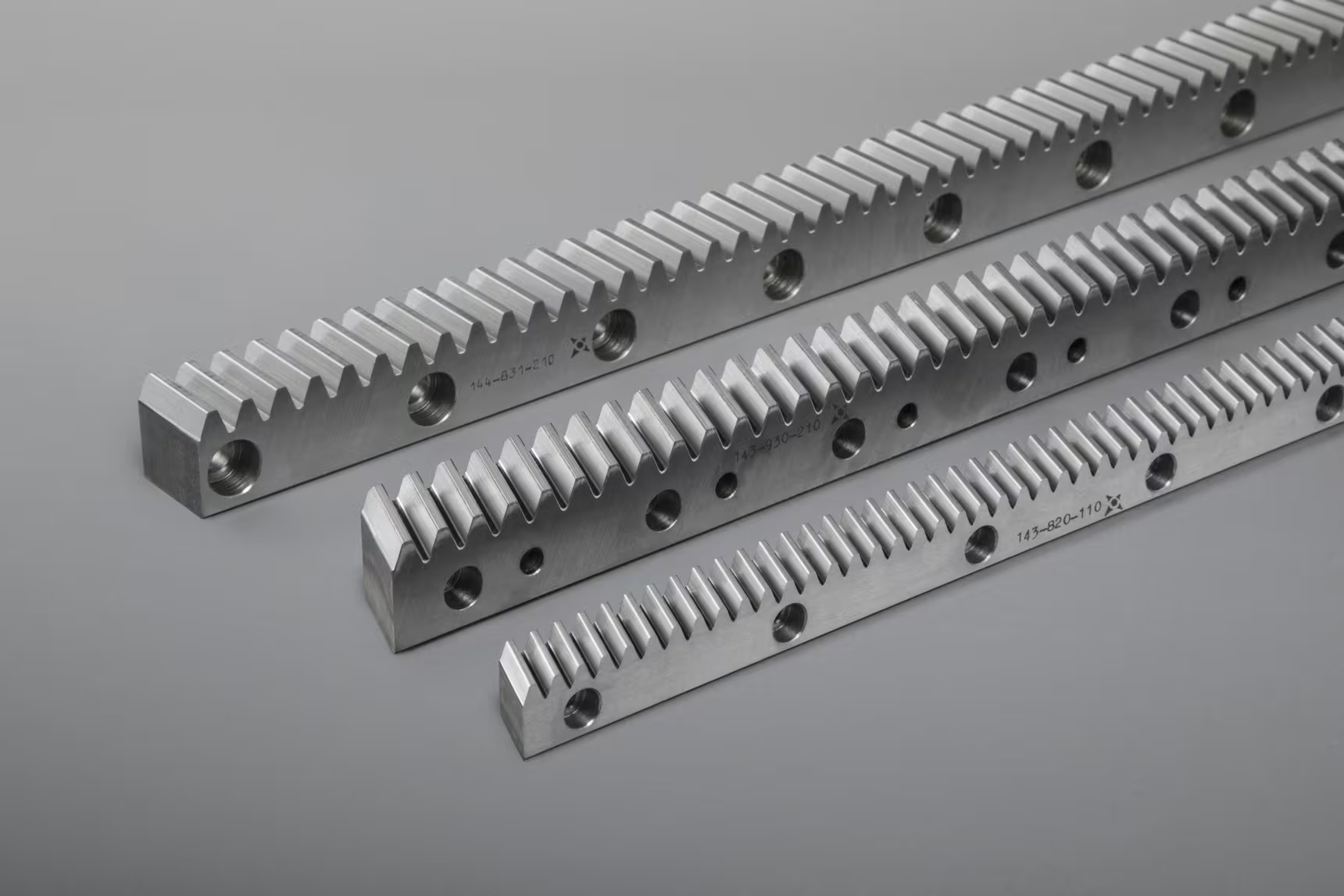
Our range covers straight and helical toothed racks in ground and milled versions. We manufacture standard parts as well as custom solutions in various modules, dimensions and materials, including hardened and coated.
We keep many racks in standard design in stock, available for immediate call-off.
- ground, straight & helical, gear quality 5
- quenched and tempered, straight & helical
- induction hardened, straight and helical
- milled, straight & helical
- in stainless material
- mounting pieces
- racks in plastic
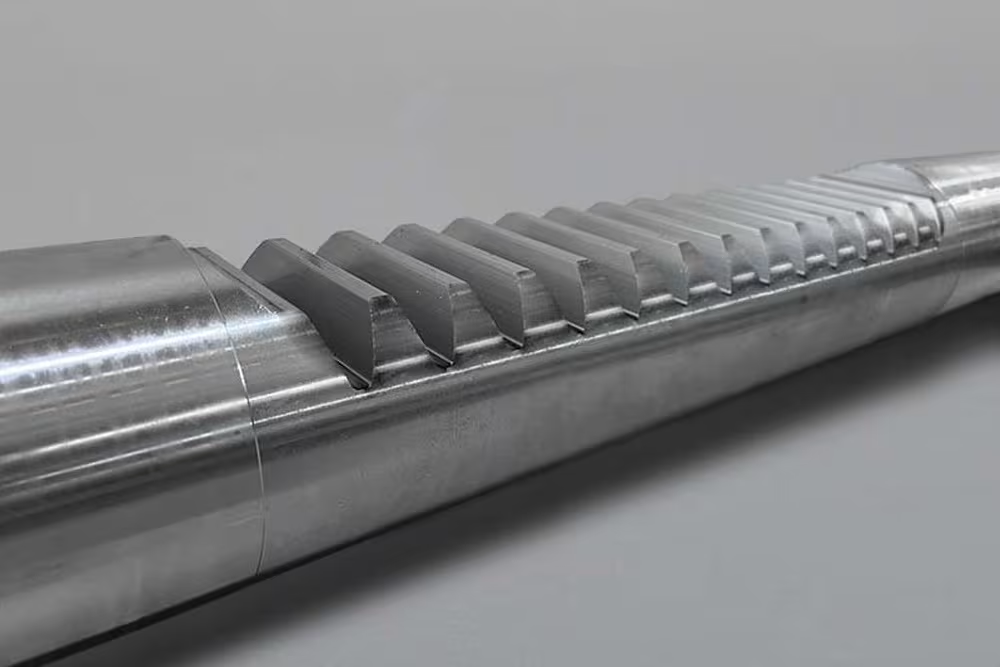
- round racks, milled
- round racks, stainless
- guide bushes
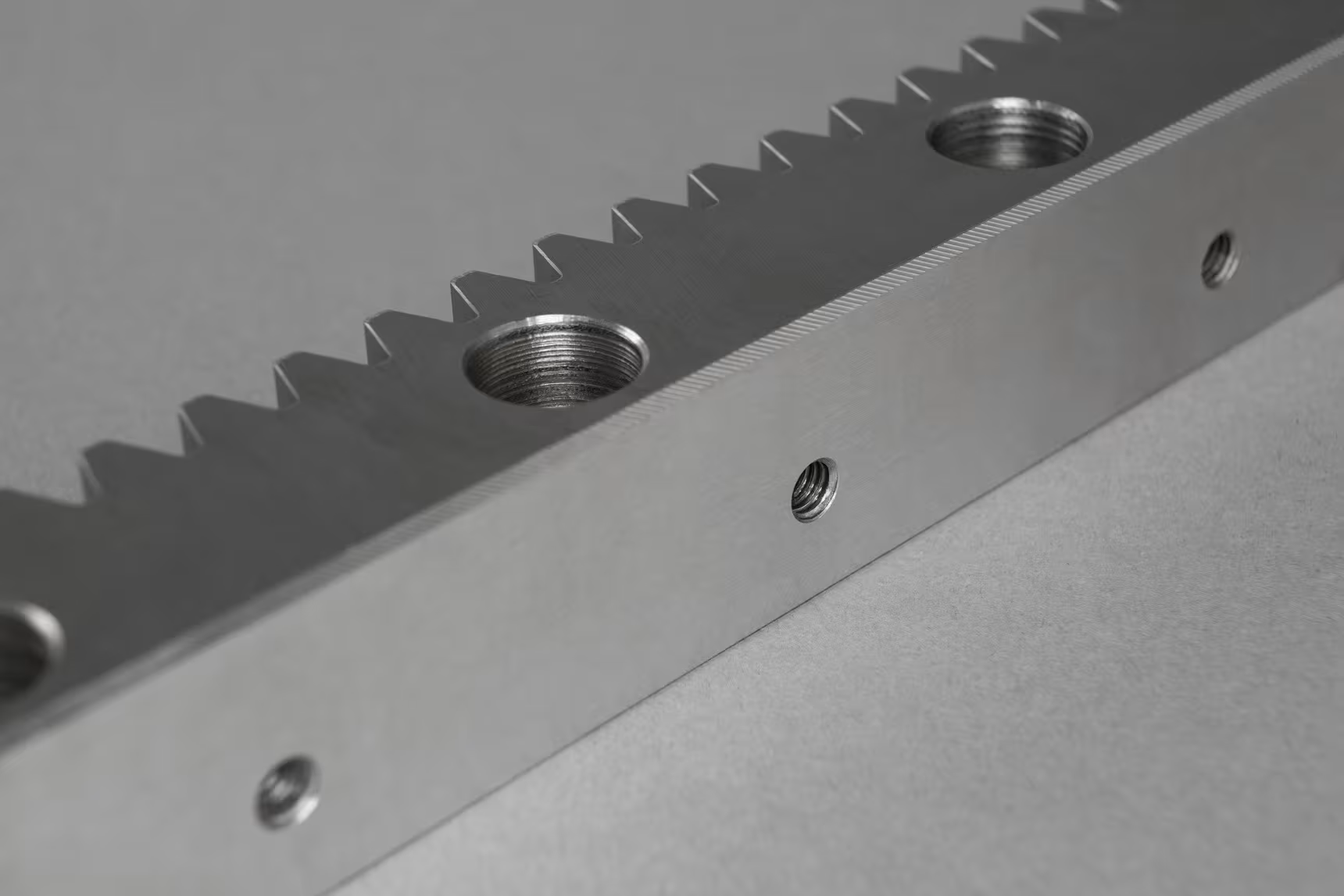
- racks for linear guides
Technical specifications for the individual rack versions are available in the download area.
| Module | fp/300 | fp/300 | fp/500 | fp/500 | fp/1000 | fp/1000 |
|---|---|---|---|---|---|---|
| 1 | 5 | 18 | 5.5 | 20 | 6 | 25 |
| 2 | 5 | 18 | 5.5 | 20 | 6 | 25 |
| 3 | 5 | 20 | 6 | 22 | 6 | 25 |
| 4 | 6 | 20 | 7 | 25 | 7 | 28 |
| 5 | 6 | 20 | 7 | 25 | 7 | 28 |
| 8 | 7 | 22 | 8 | 25 | 8 | 28 |
| 10 | 7 | 22 | 8 | 25 | 8 | 28 |
For customer-specific racks
we offer extensive manufacturing options:
Racks with ground tooth flanks
- Straight or helical toothed
- Length up to 3,000 mm
- Toothing up to module 16
- Ground on all sides
- Materials, hardening or surface coating
according to customer requirements
Racks in milled design
- Straight or helical toothed
- Toothable length up to 10,000 mm
- Module 0.5 to 30
- Back and side faces ground or milled as required
- Materials, hardening or surface coating
according to customer requirements
Mounting pieces
To ensure a pitch-accurate distance between two
racks during assembly (description see p. B 35).
In addition to the standard programme (page B 18),
mounting pieces are available in further modules and in
individually specified dimensions.
Overview of our Racks
Here you will find our Racks with downloads of the relevant technical specifications. Not what you were looking for? Contact us and we will advise you on your project.
Racks catalogue (PDF)-
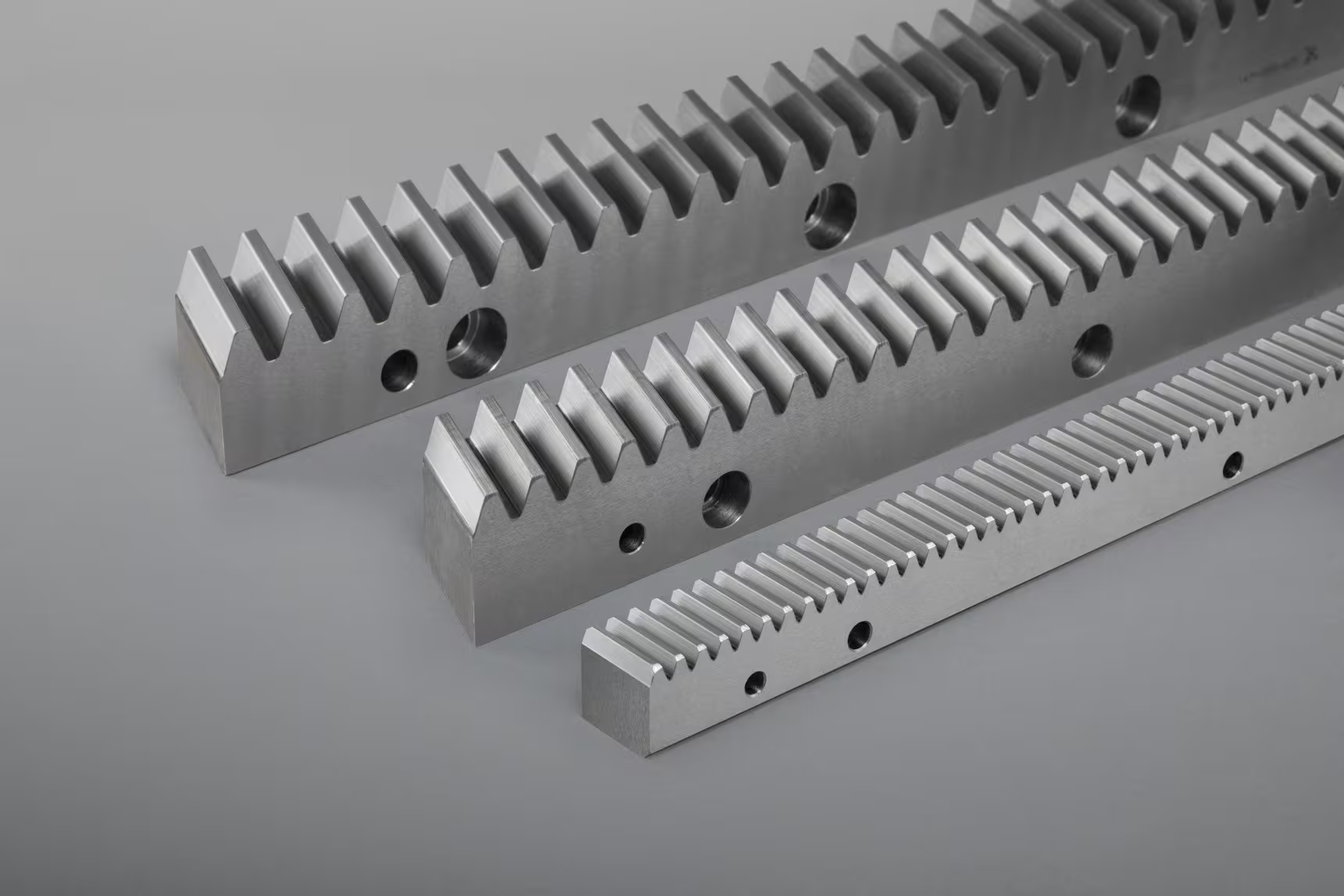
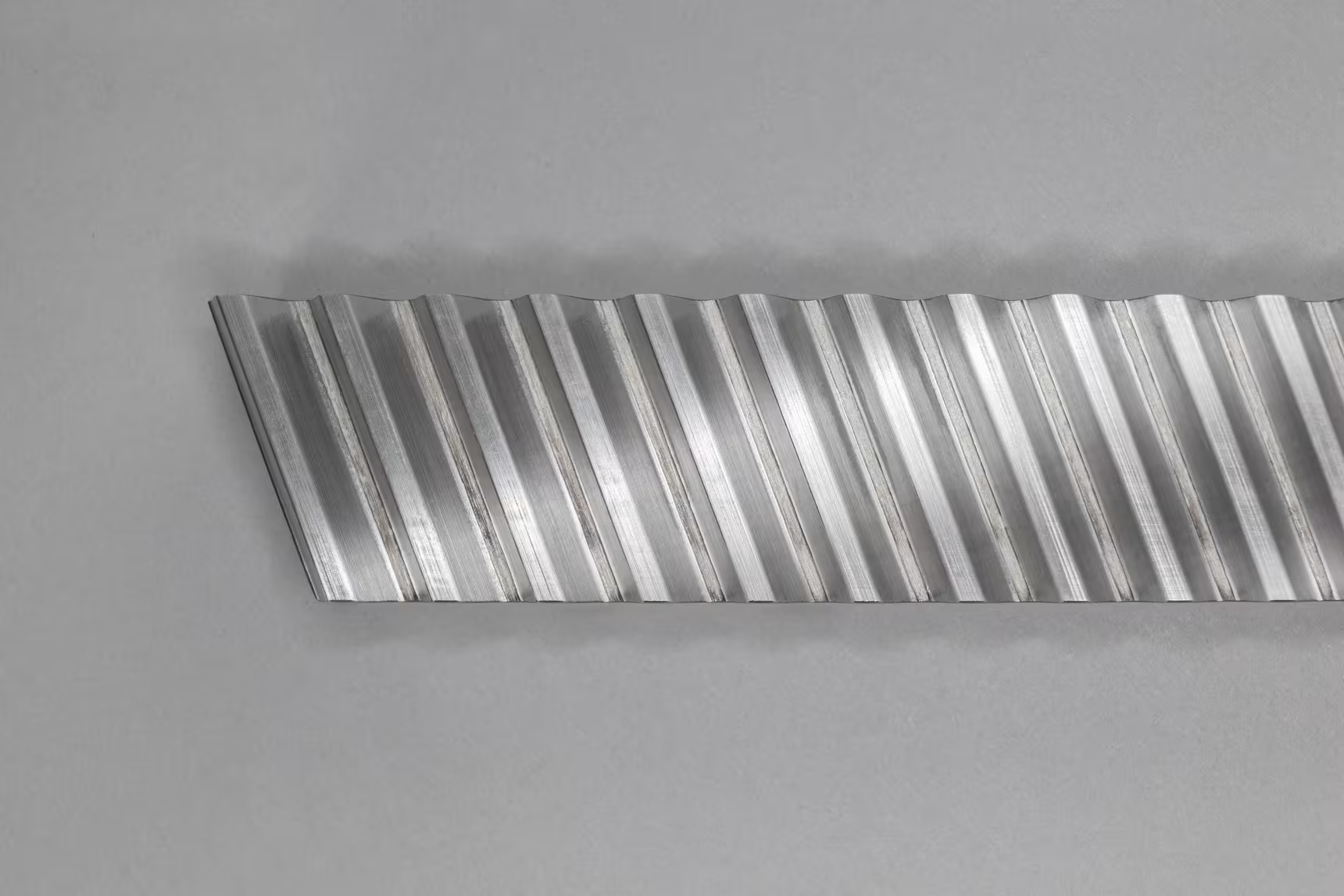
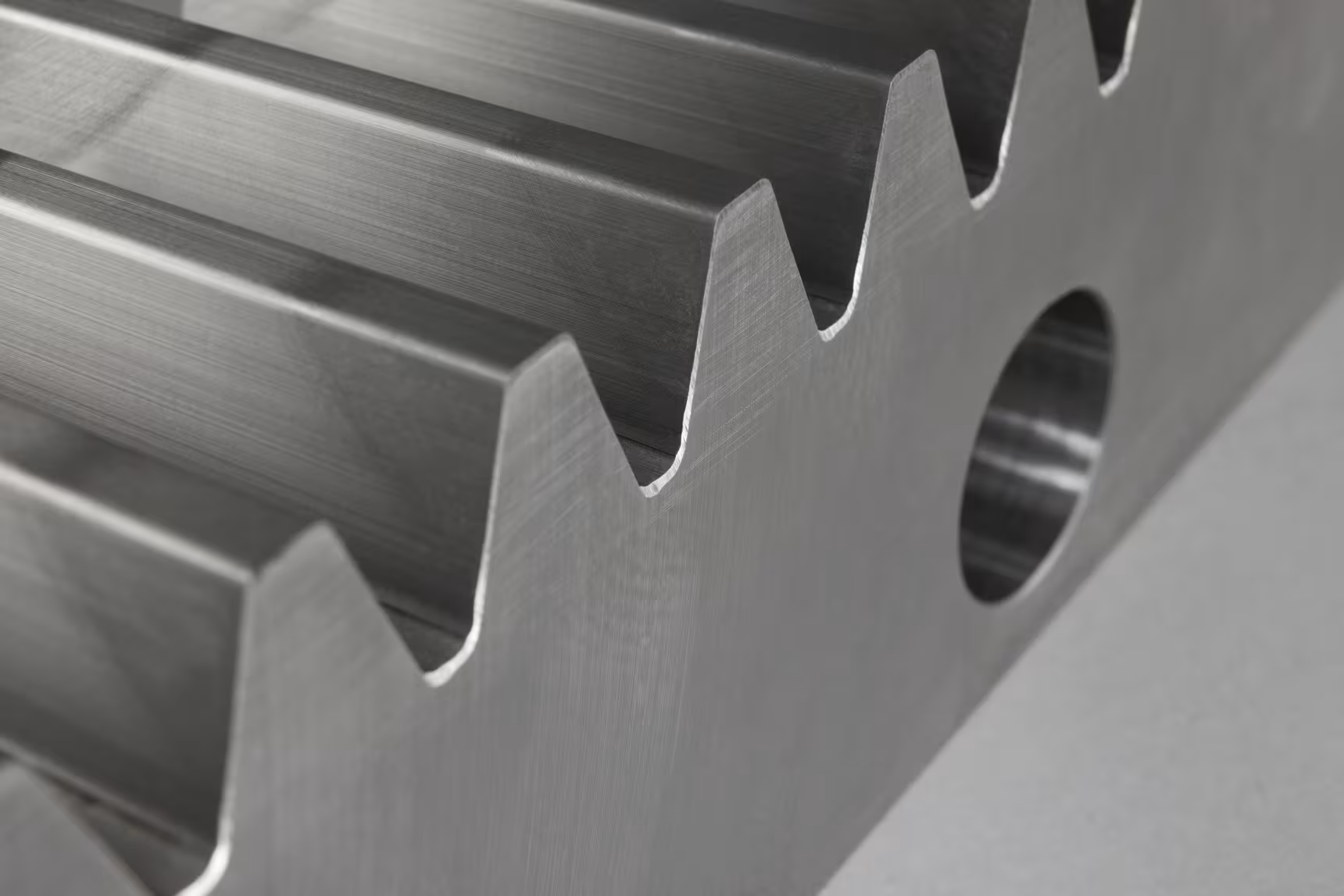
Racks ground, straight & helical gear quality 5
Download tech. info (PDF) -
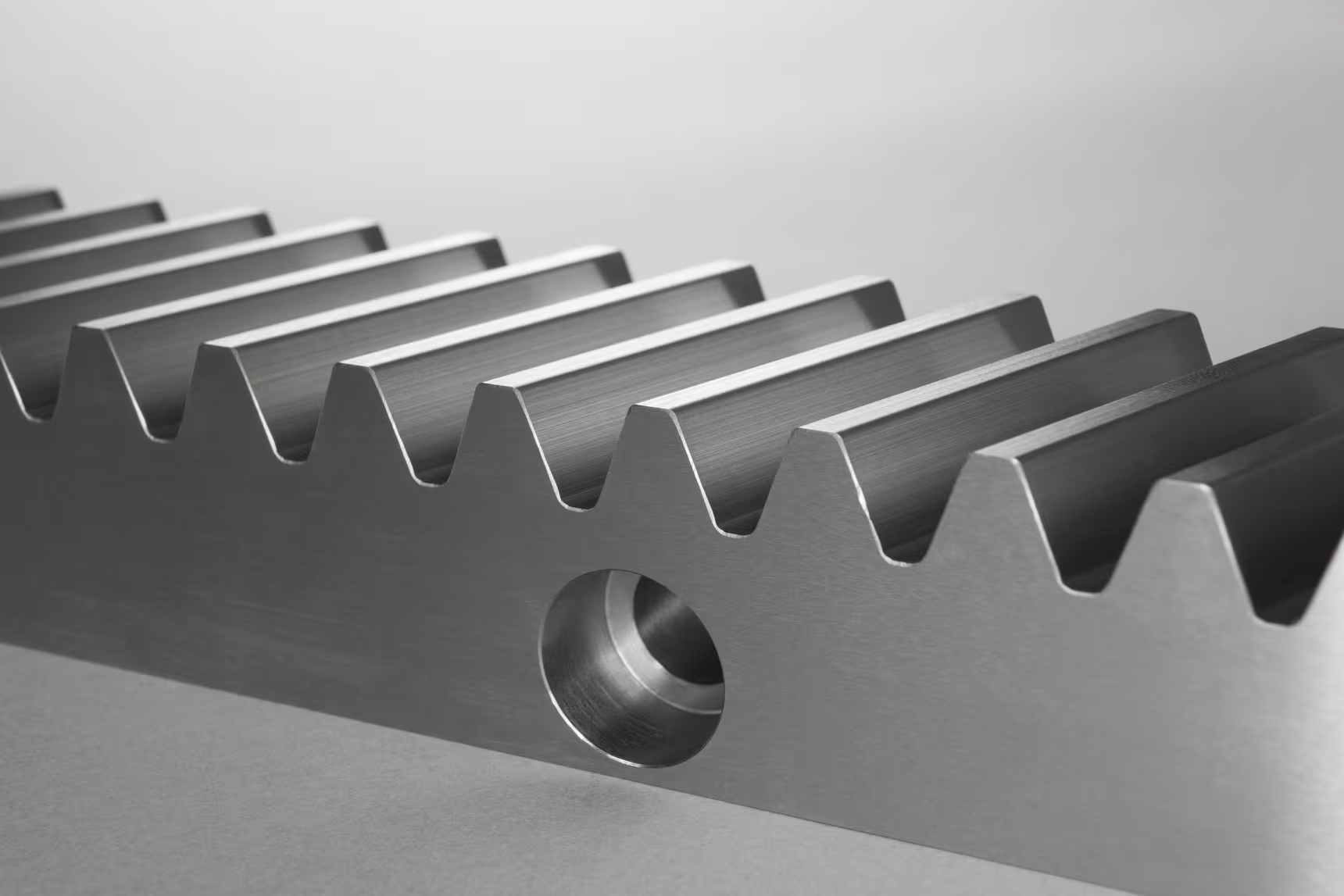
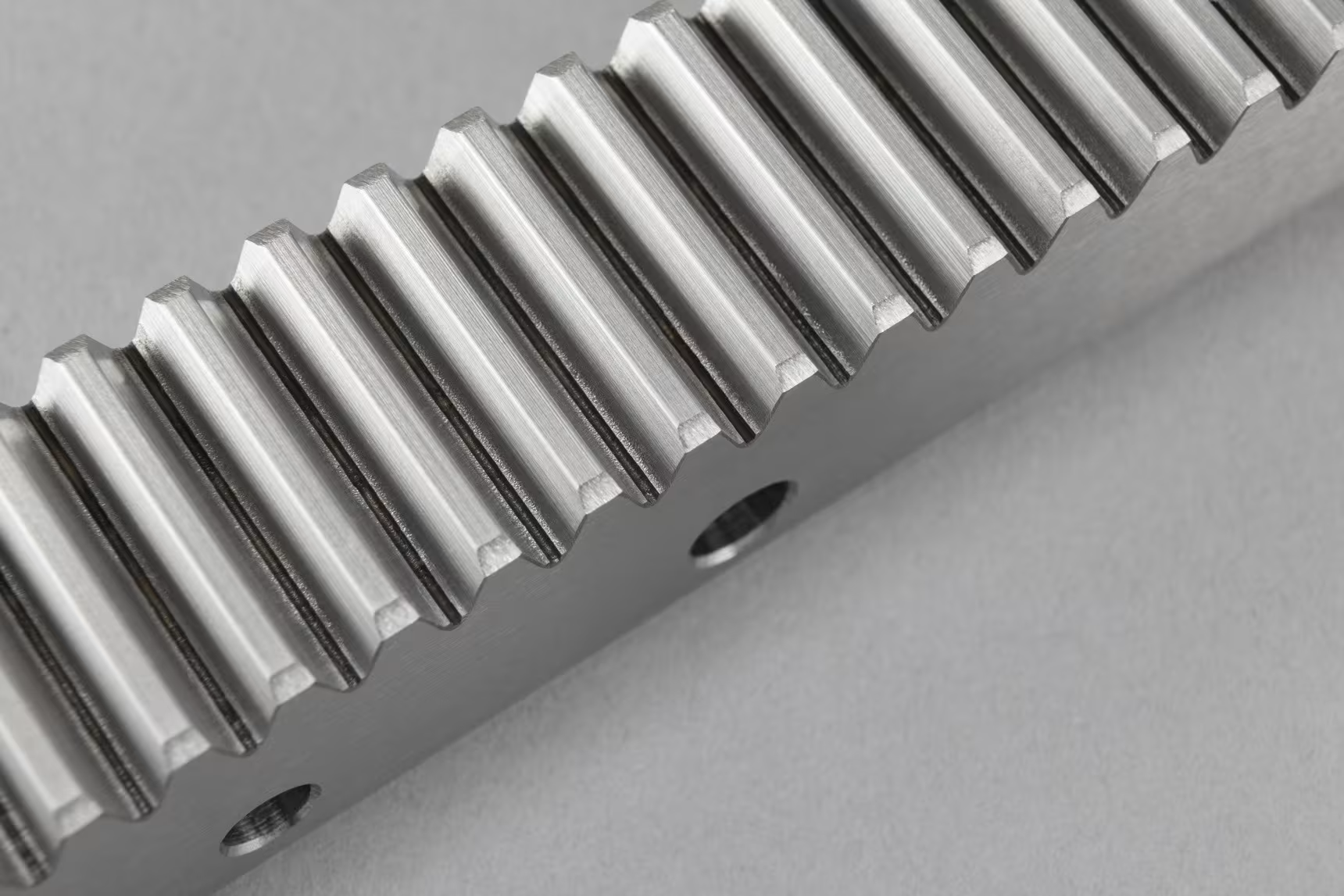
Racks ground, straight & helical
Download tech. info (PDF) -
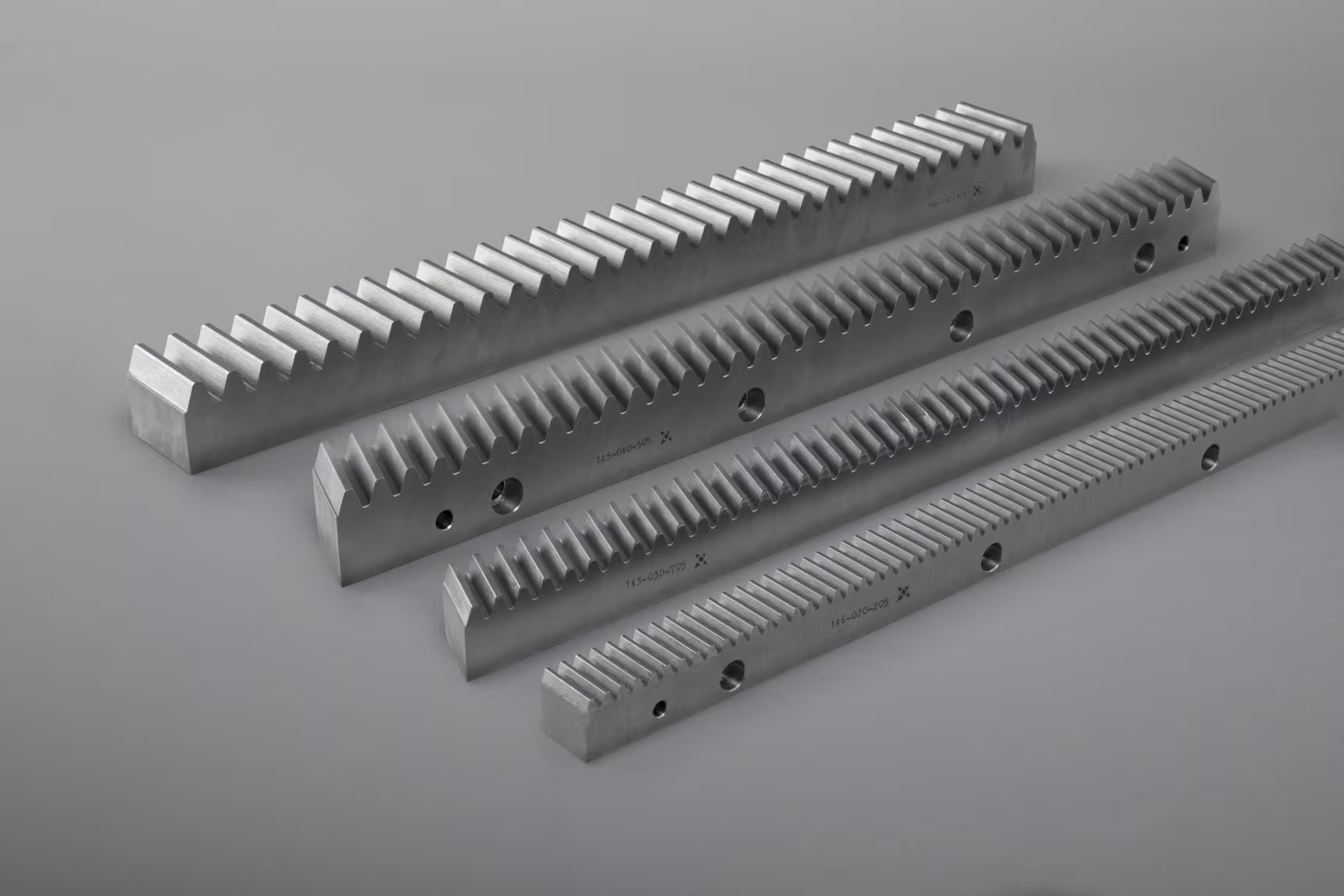
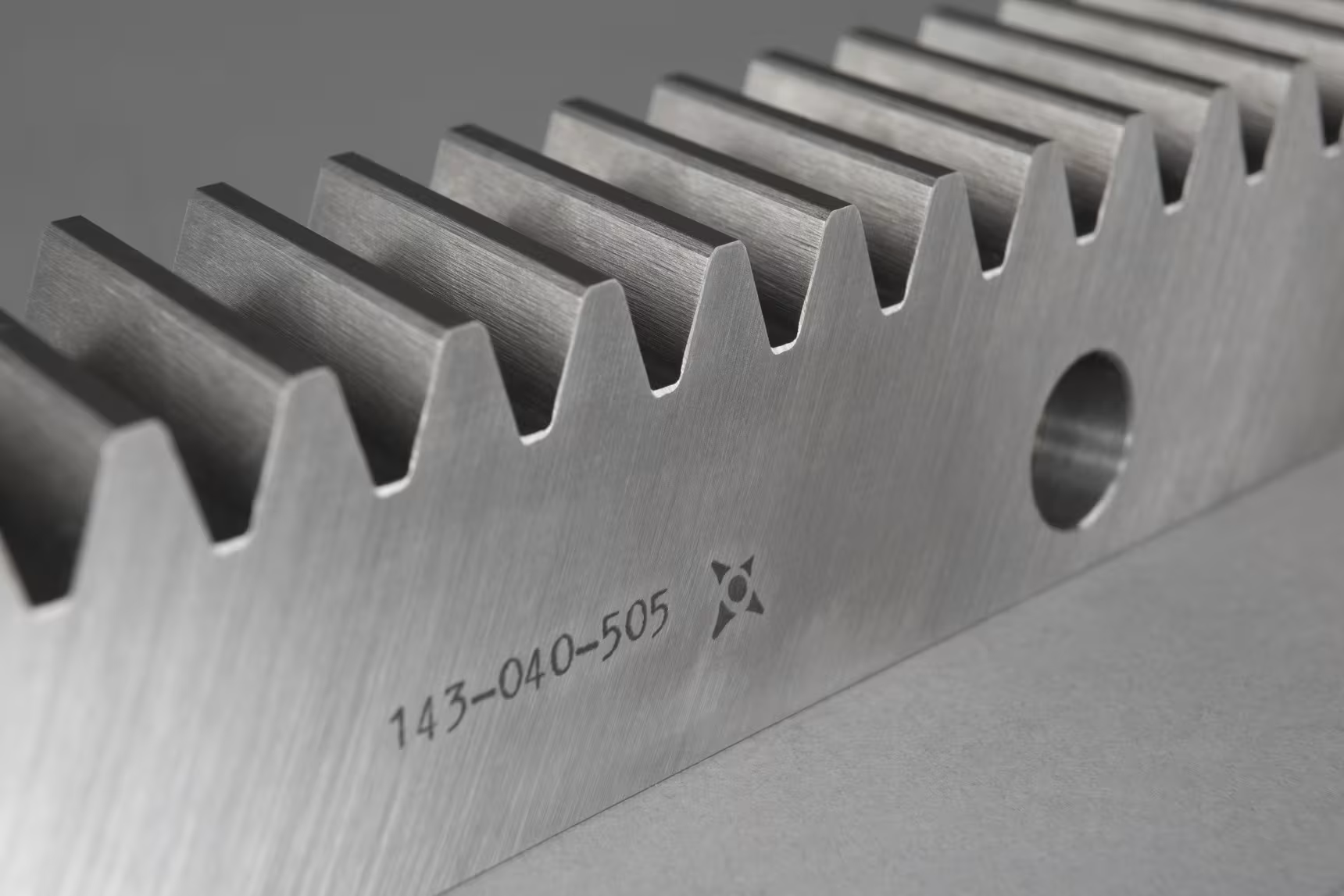
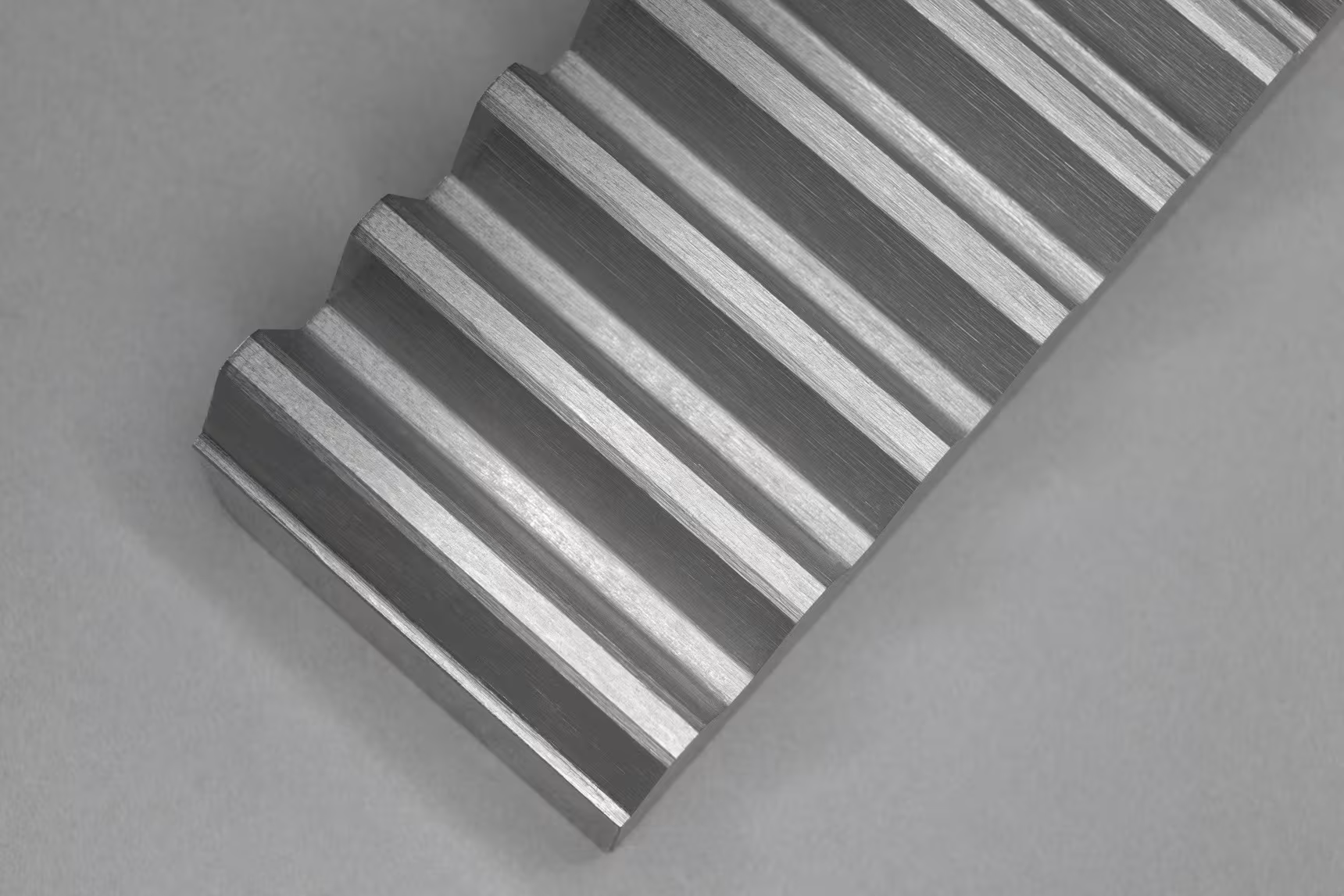
Racks quenched and tempered, straight & helical
Download tech. info (PDF) -
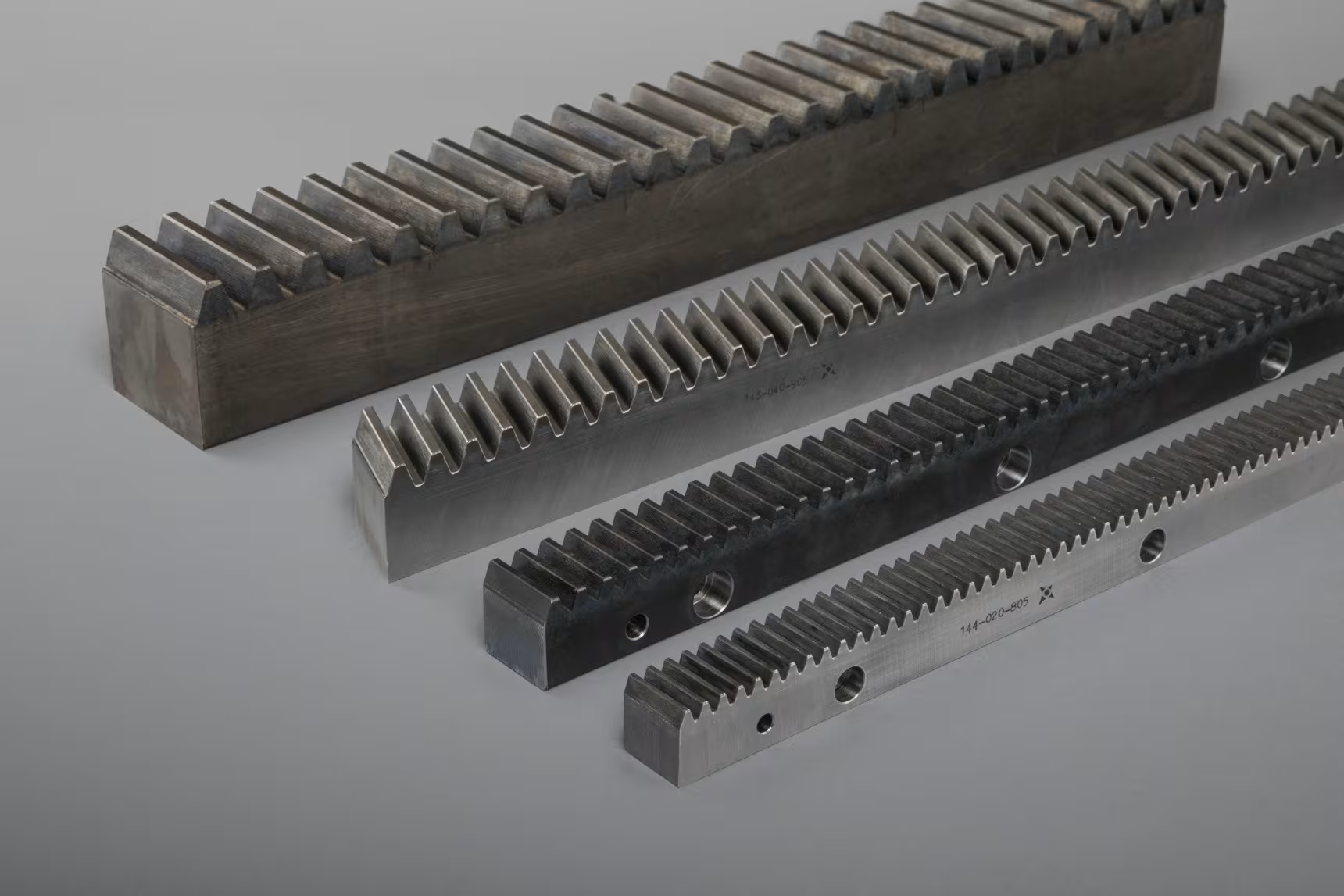
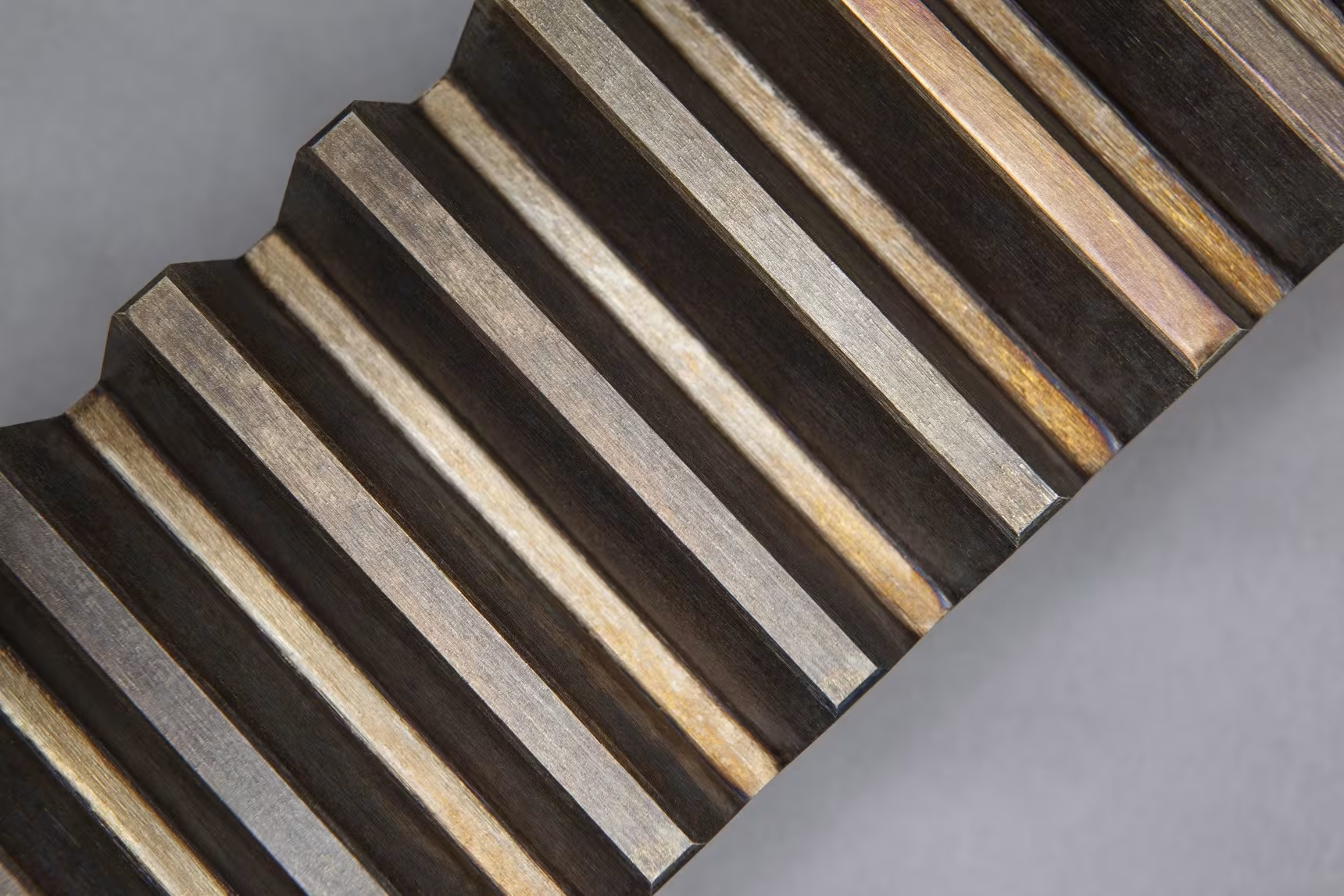
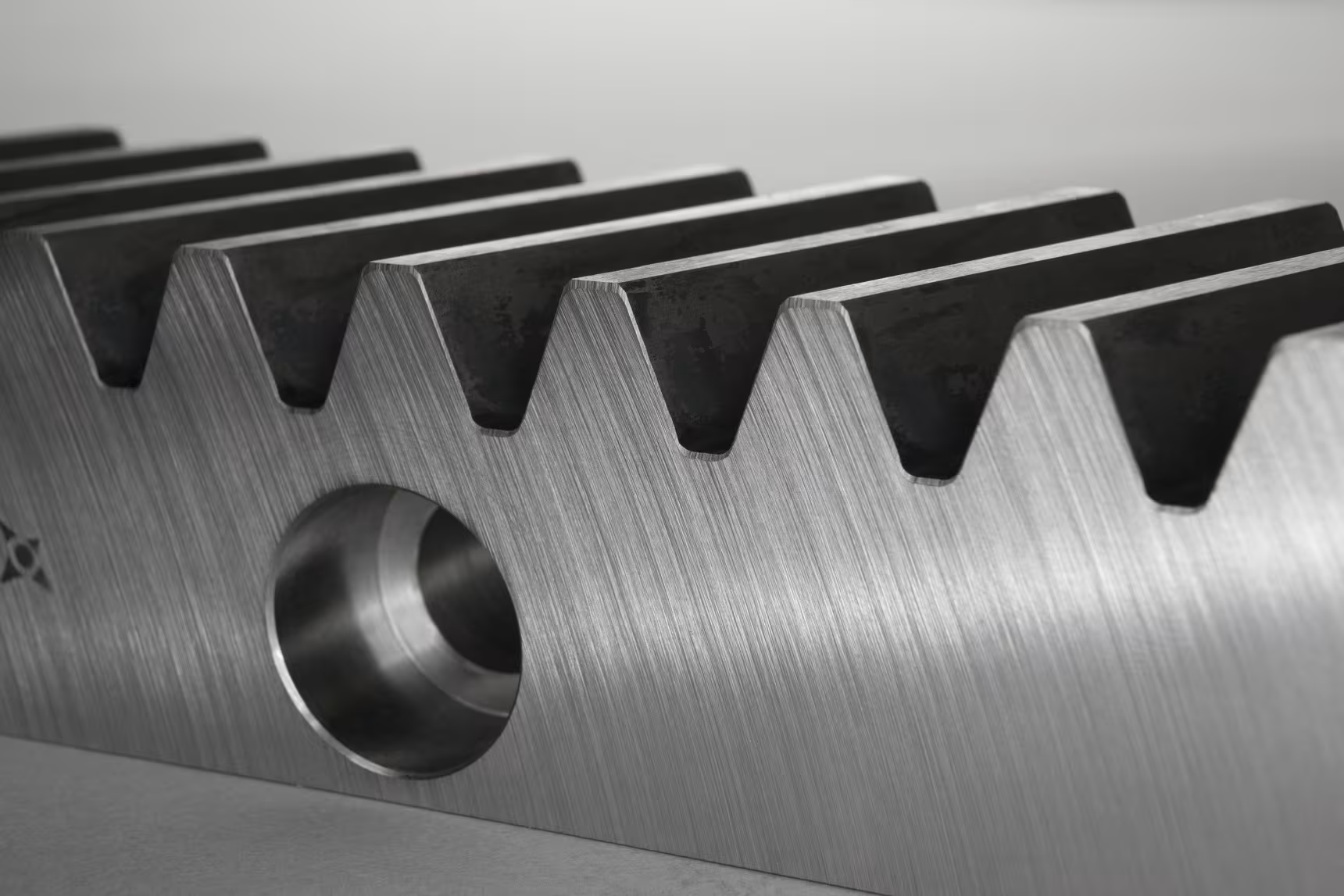
Racks induction hardened, straight & helical
Download tech. info (PDF) -
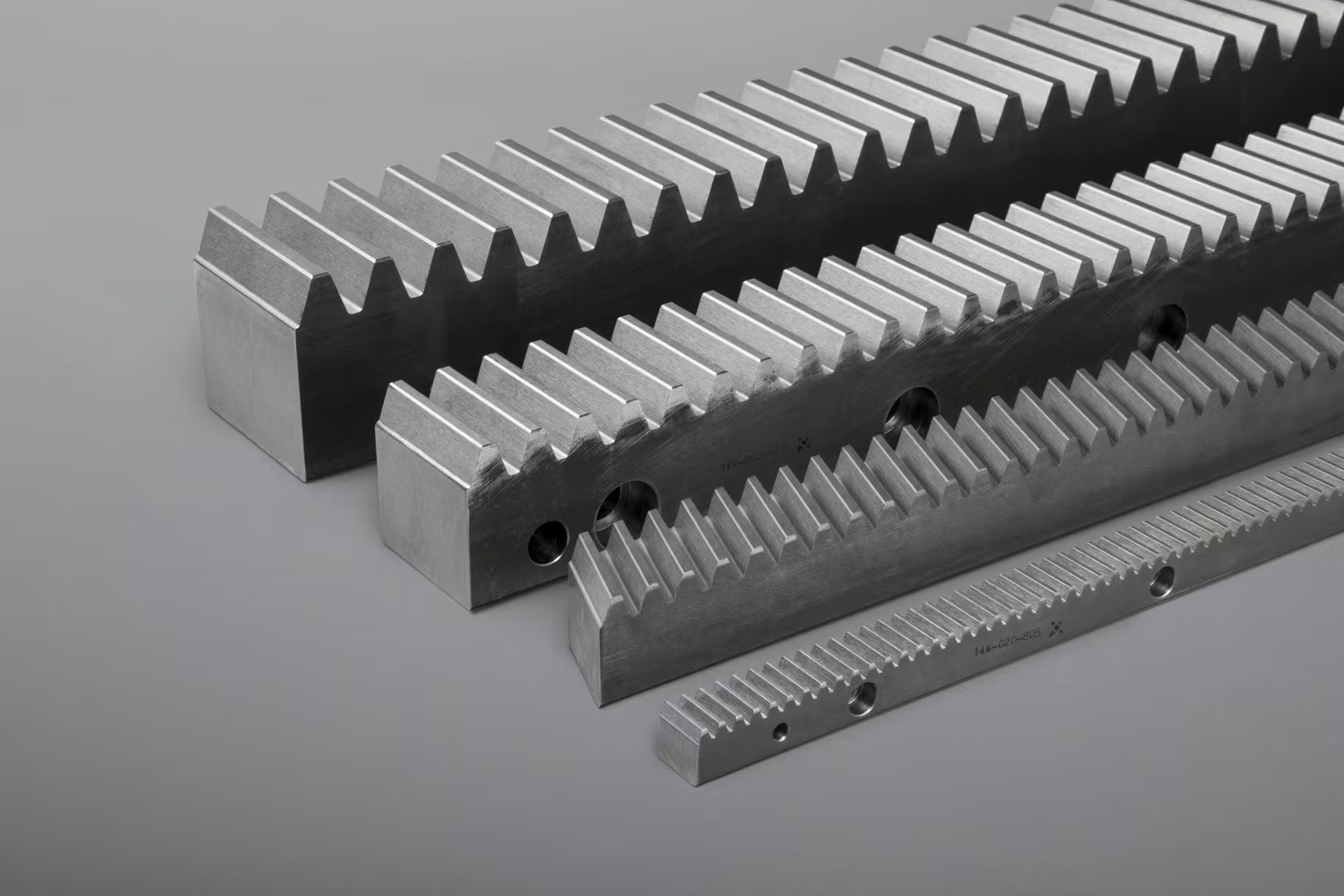
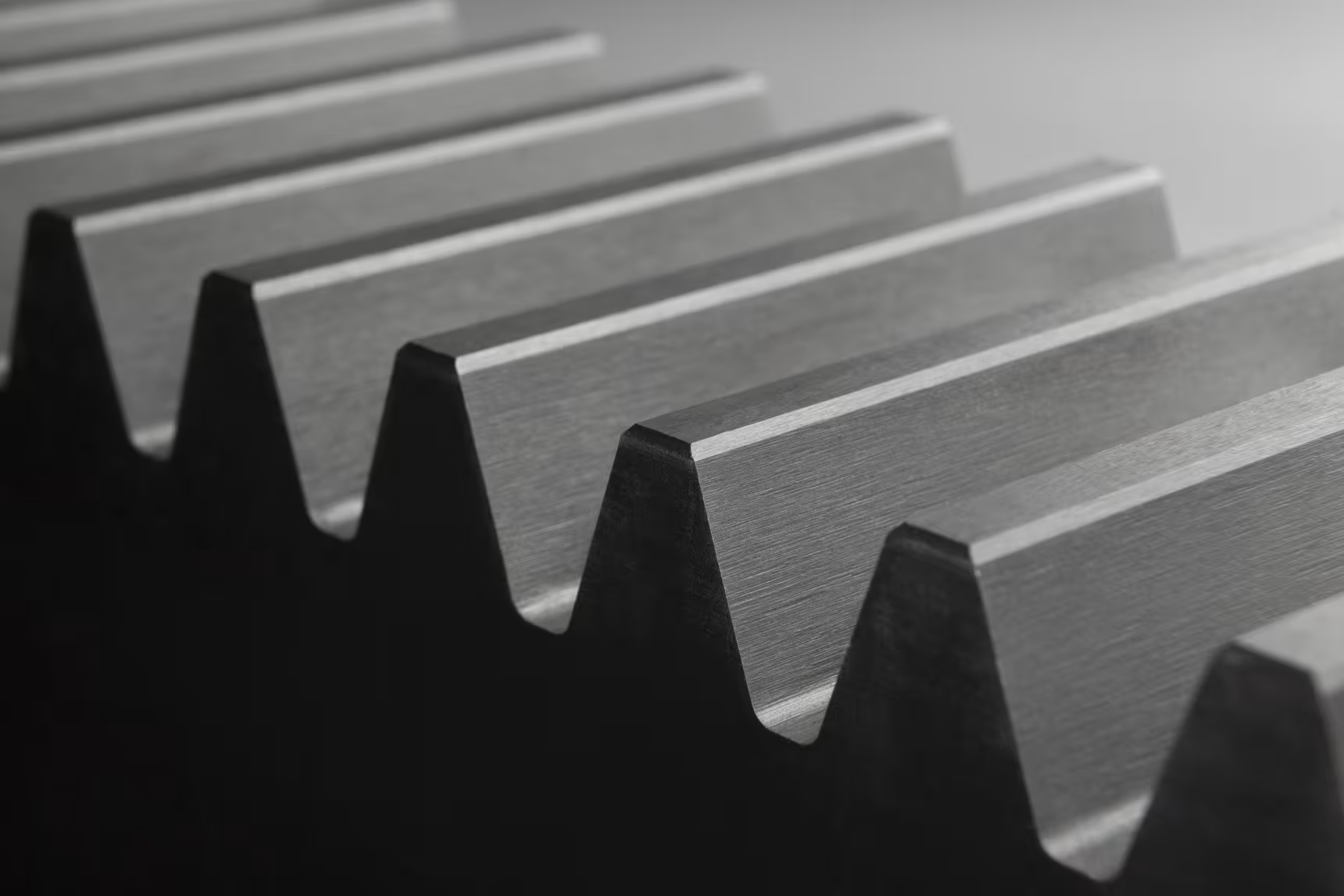
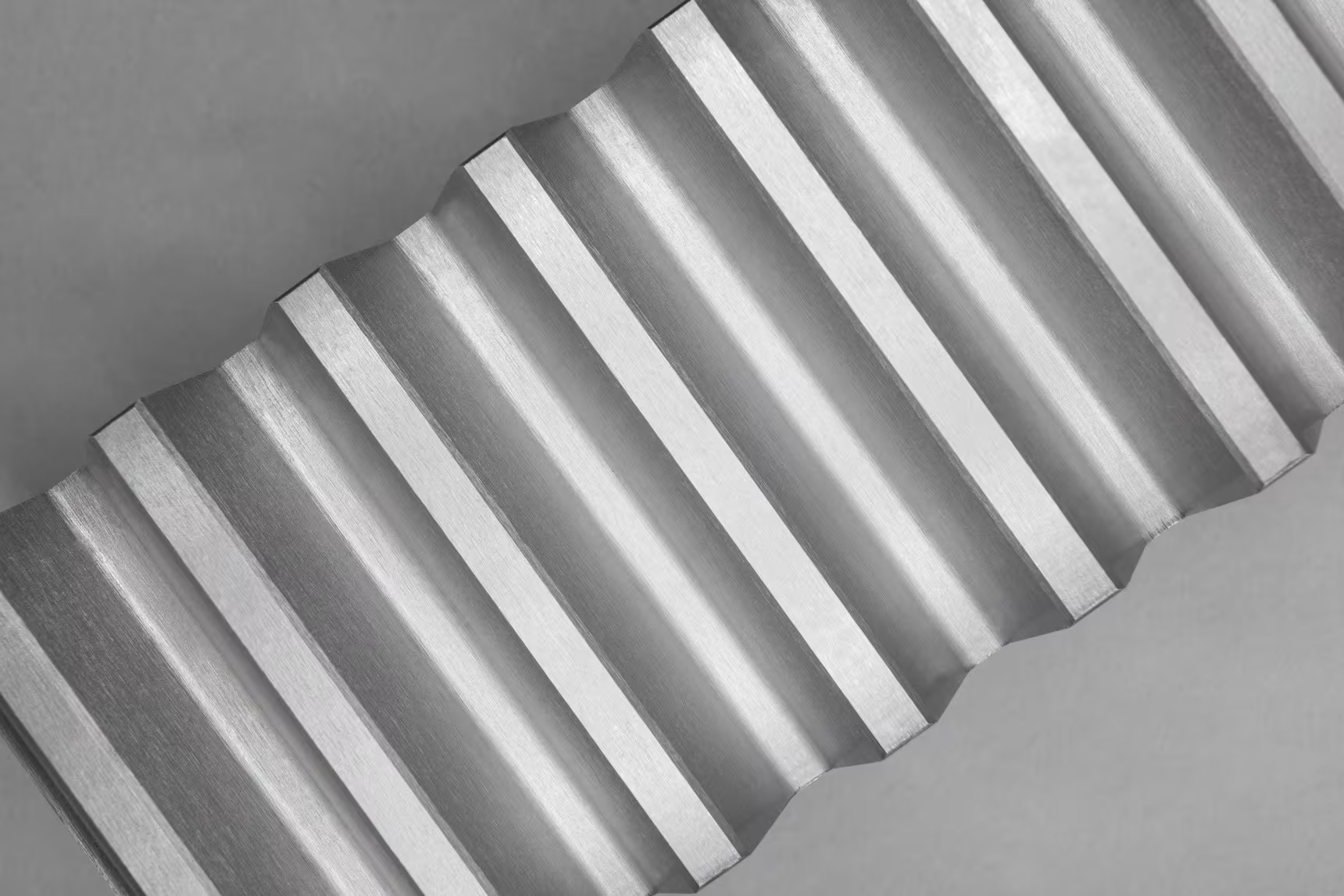
Racks milled, straight & helical
Download tech. info (PDF) -
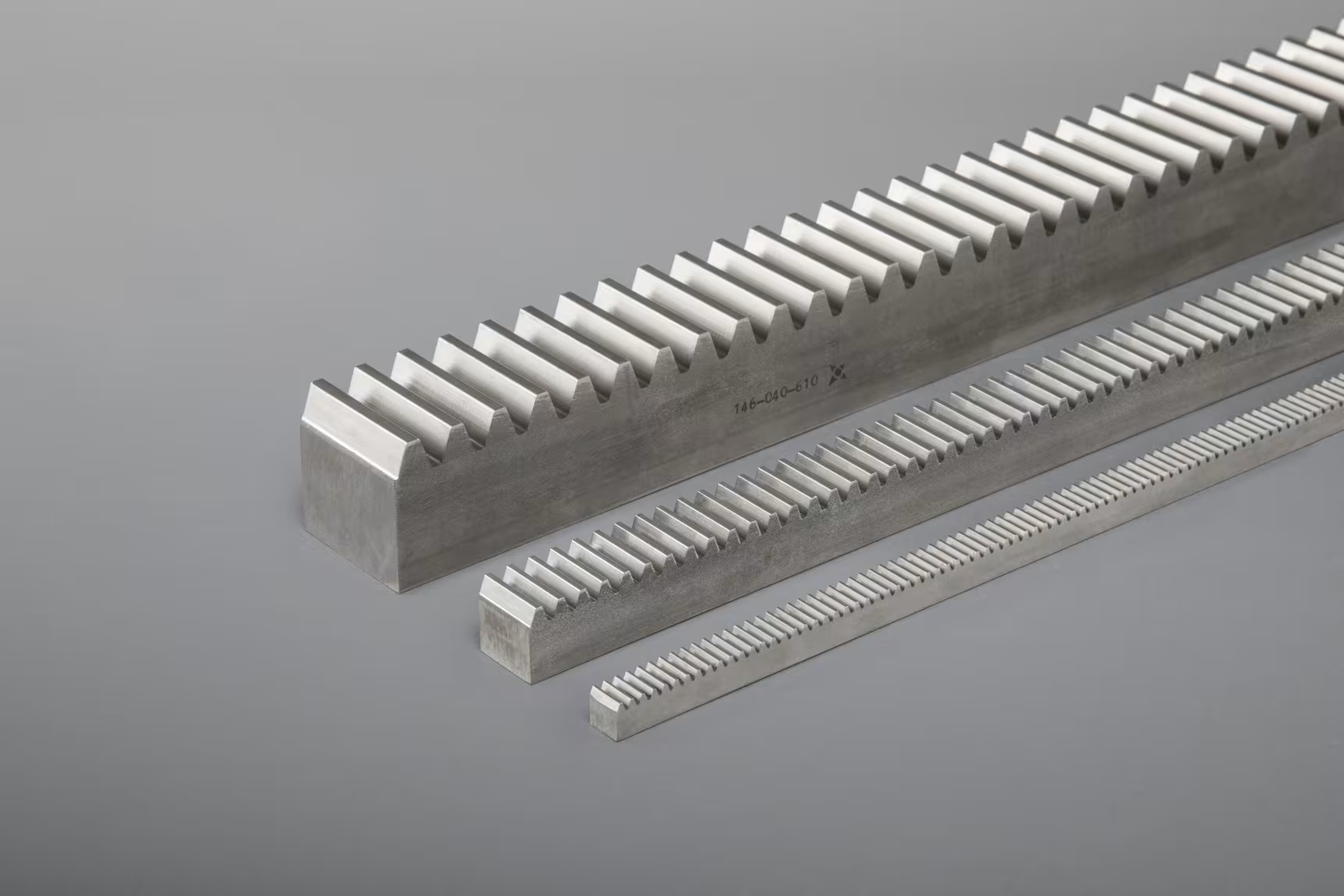
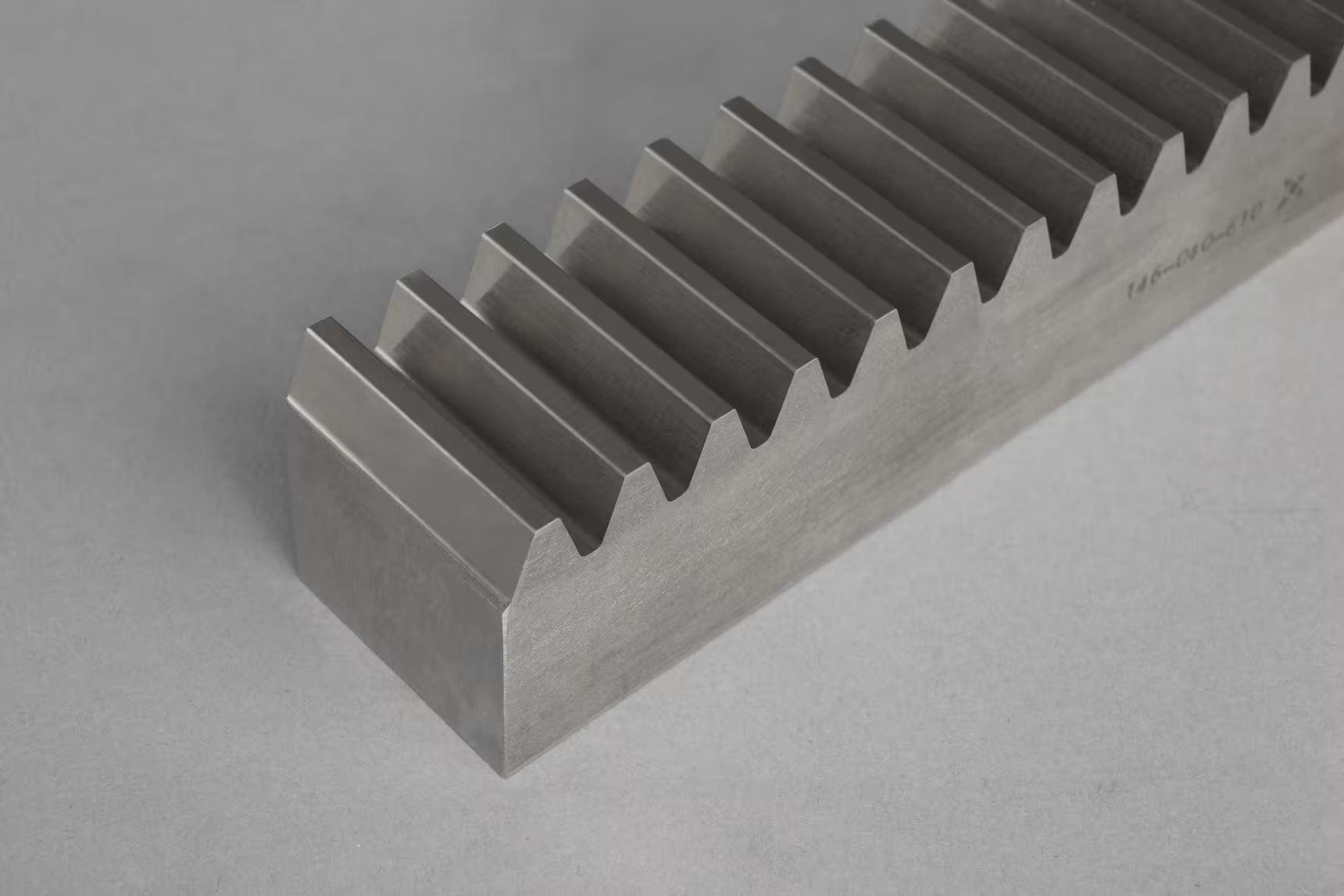
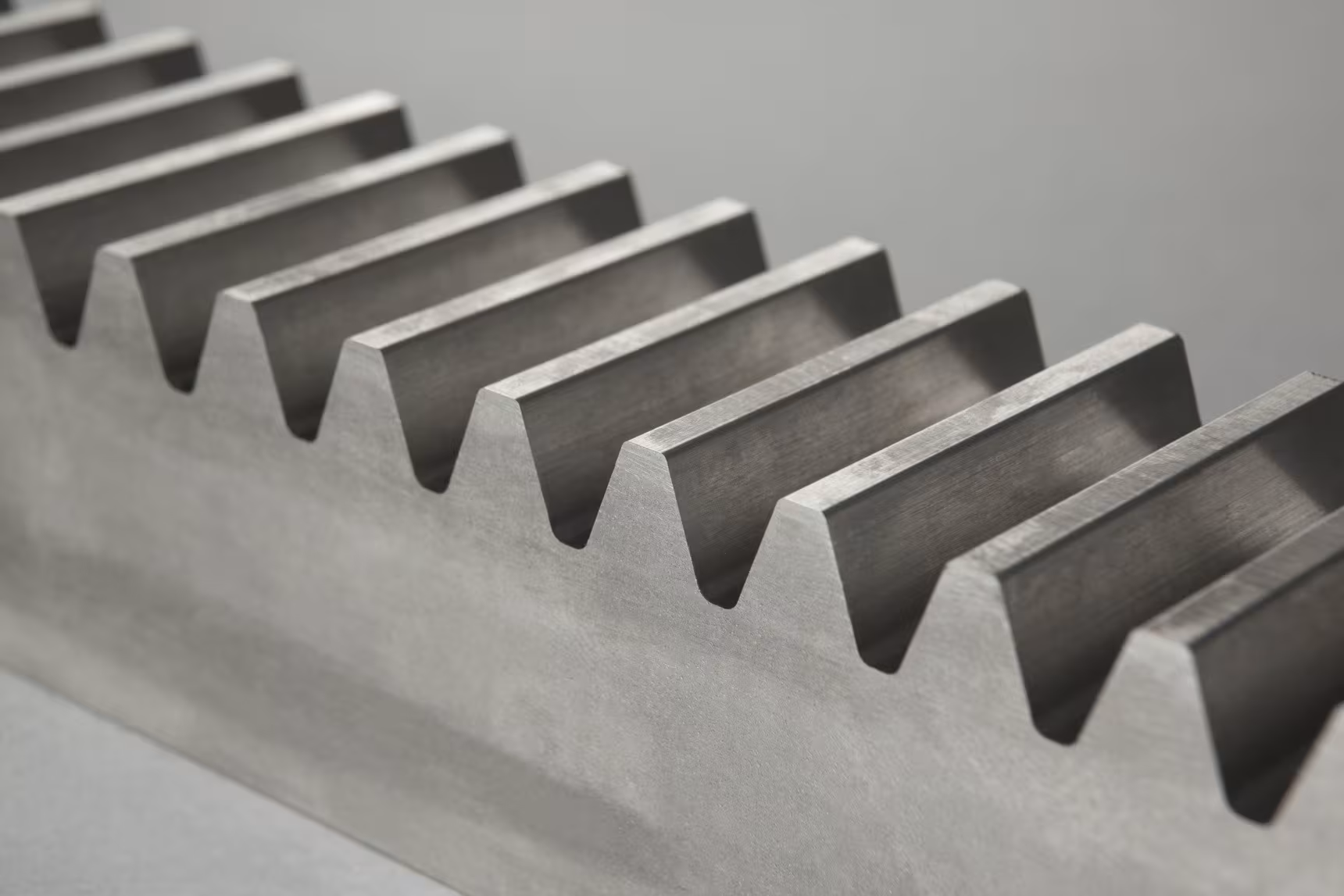
Racks stainless
Download tech. info (PDF) -
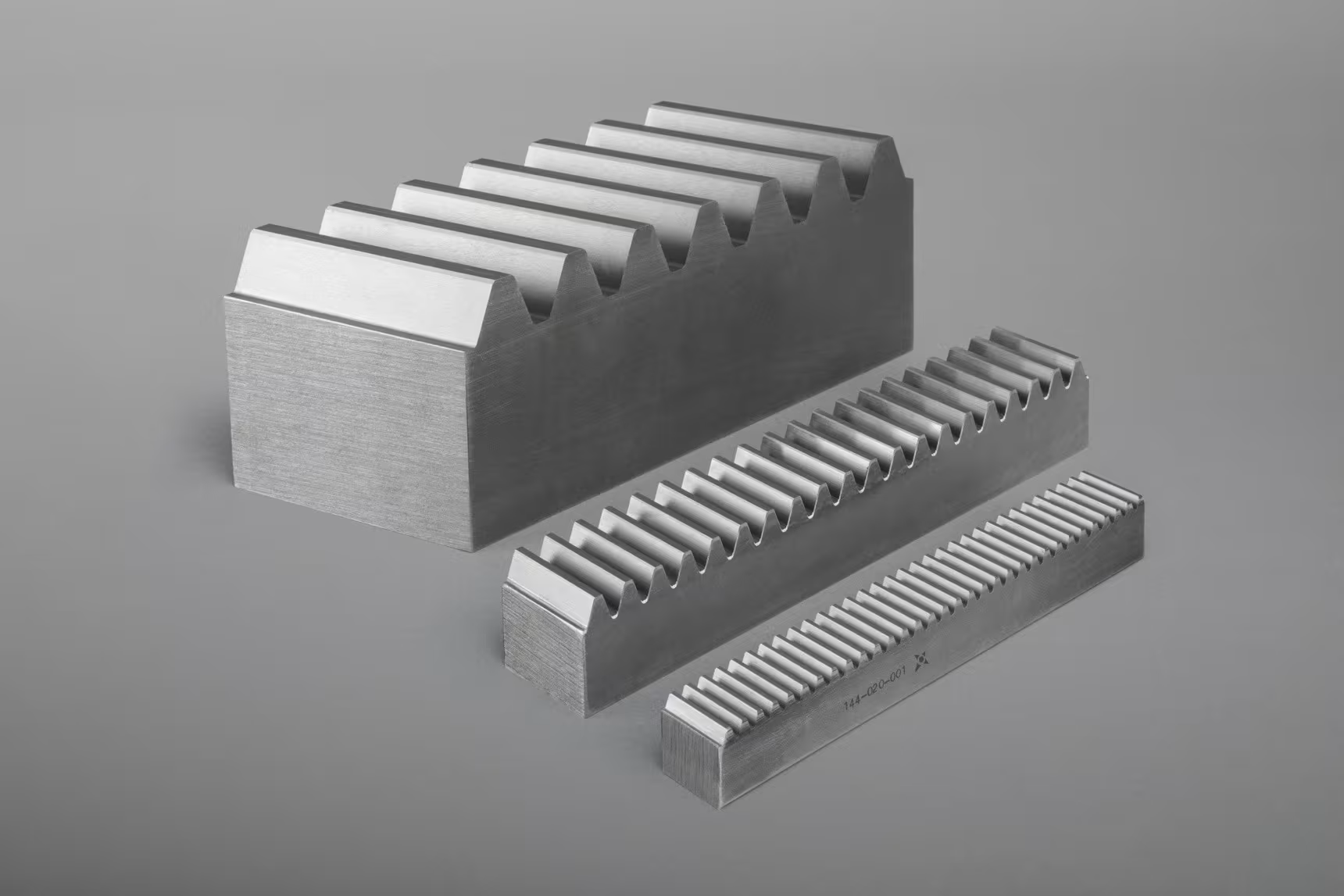
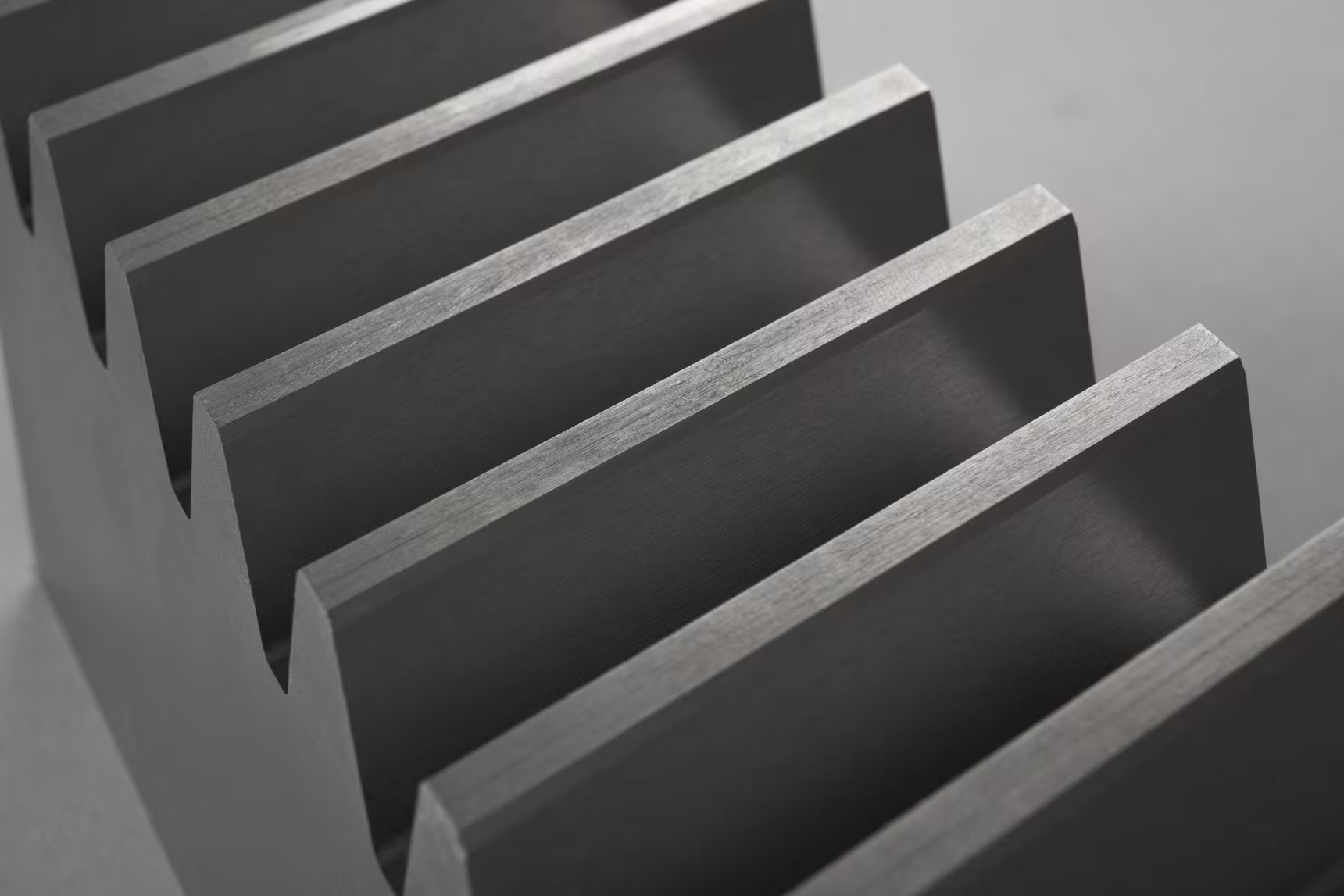
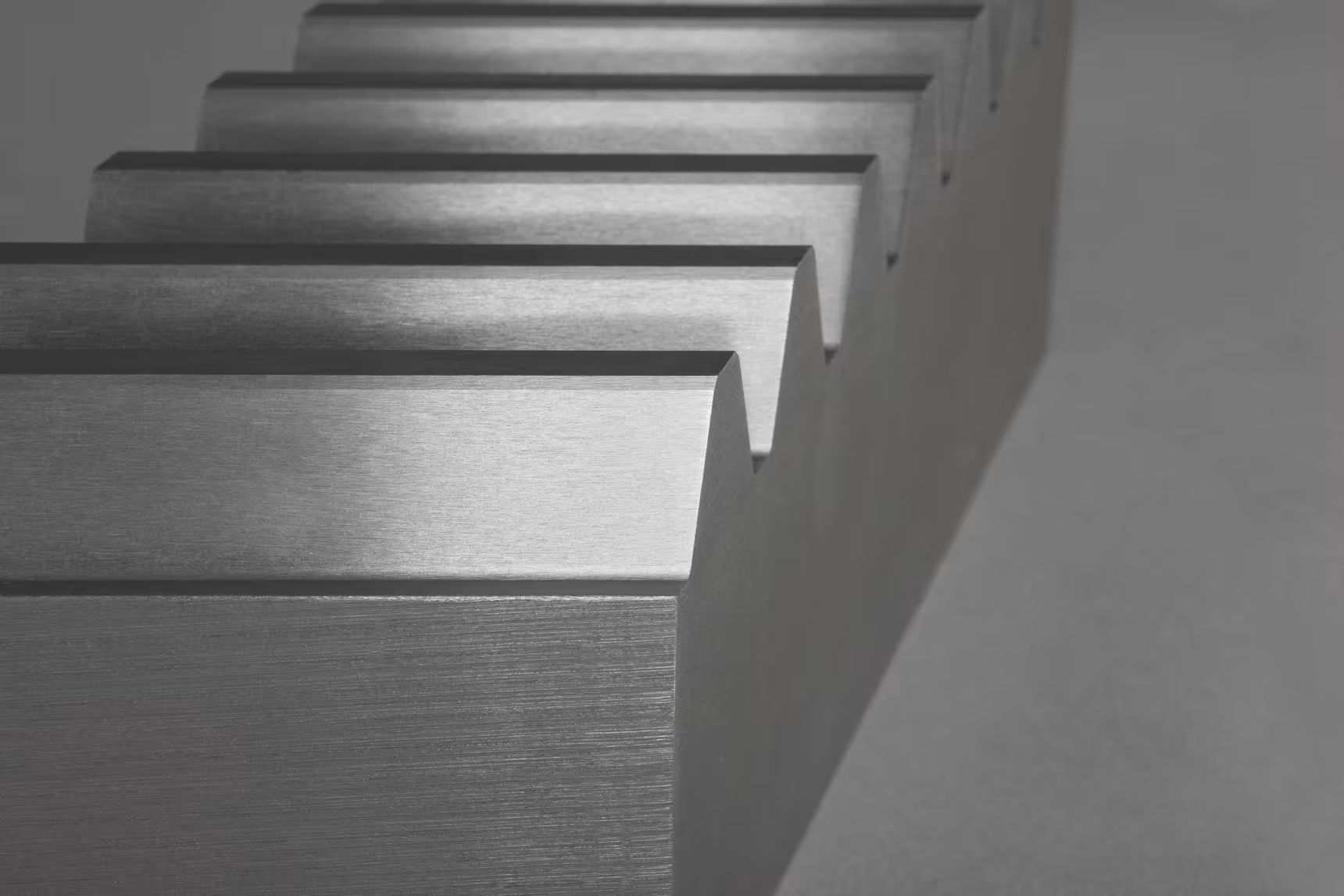
Rack mounting pieces
Download tech. info (PDF) -
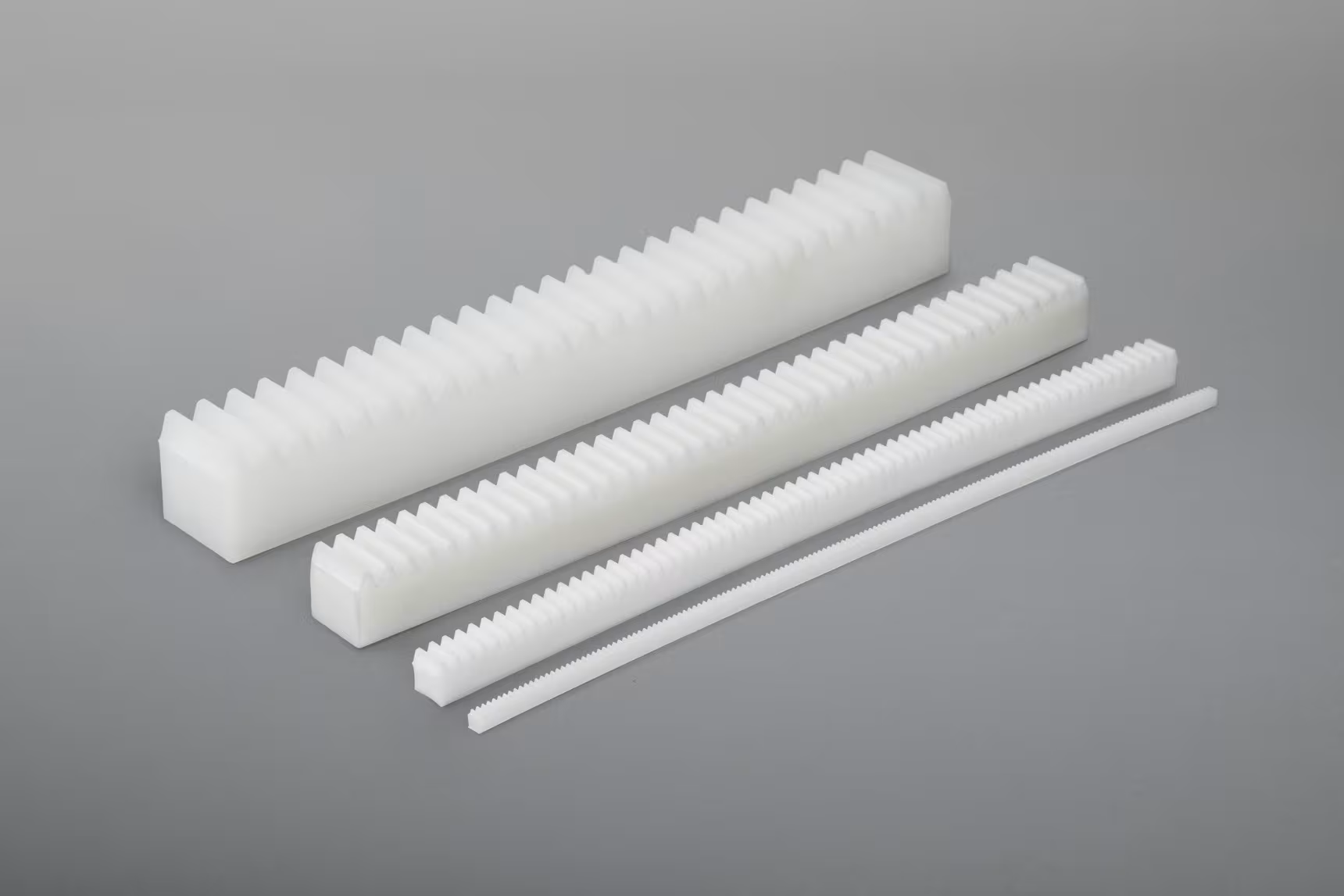
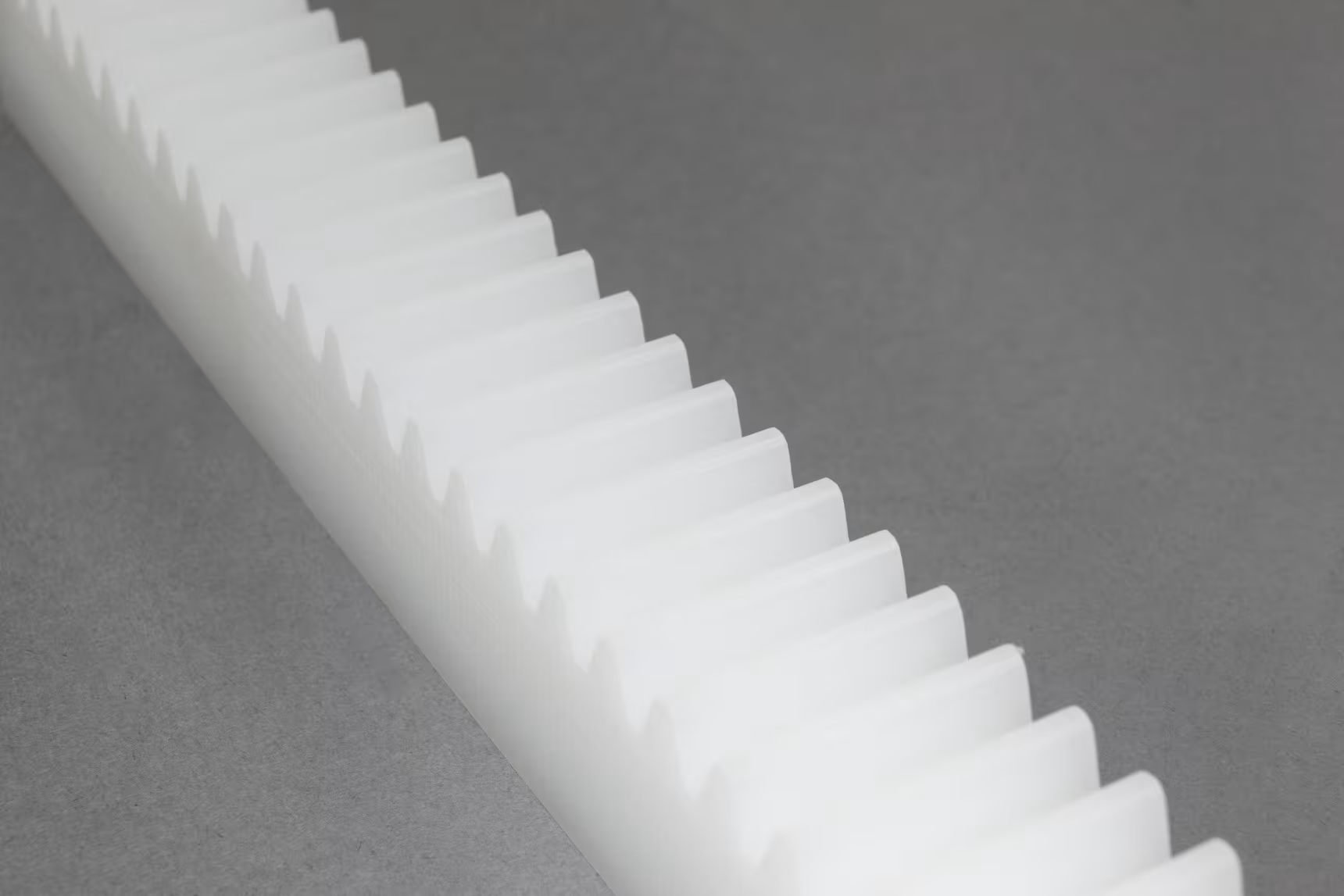
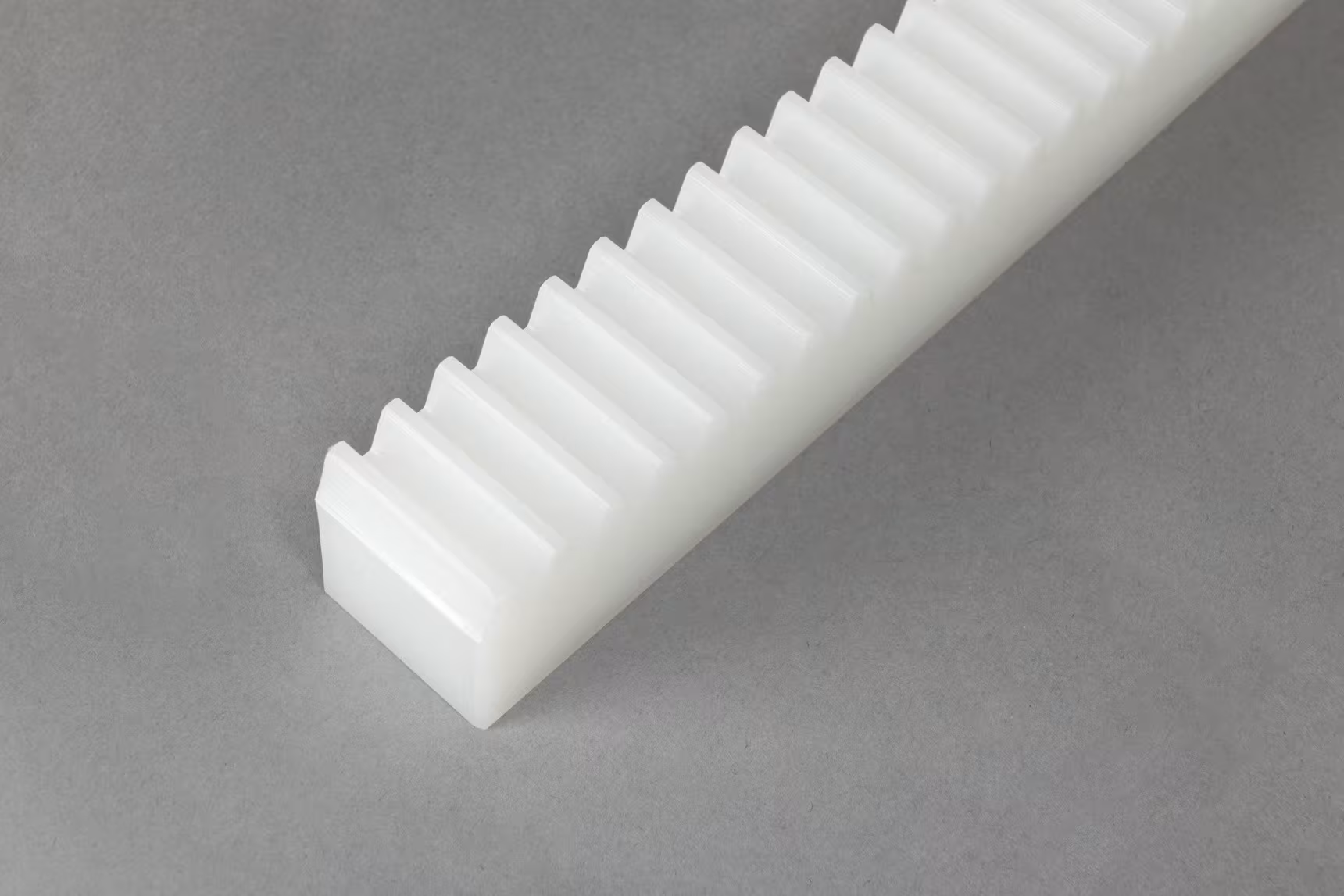
Racks plastic
Download tech. info (PDF) -
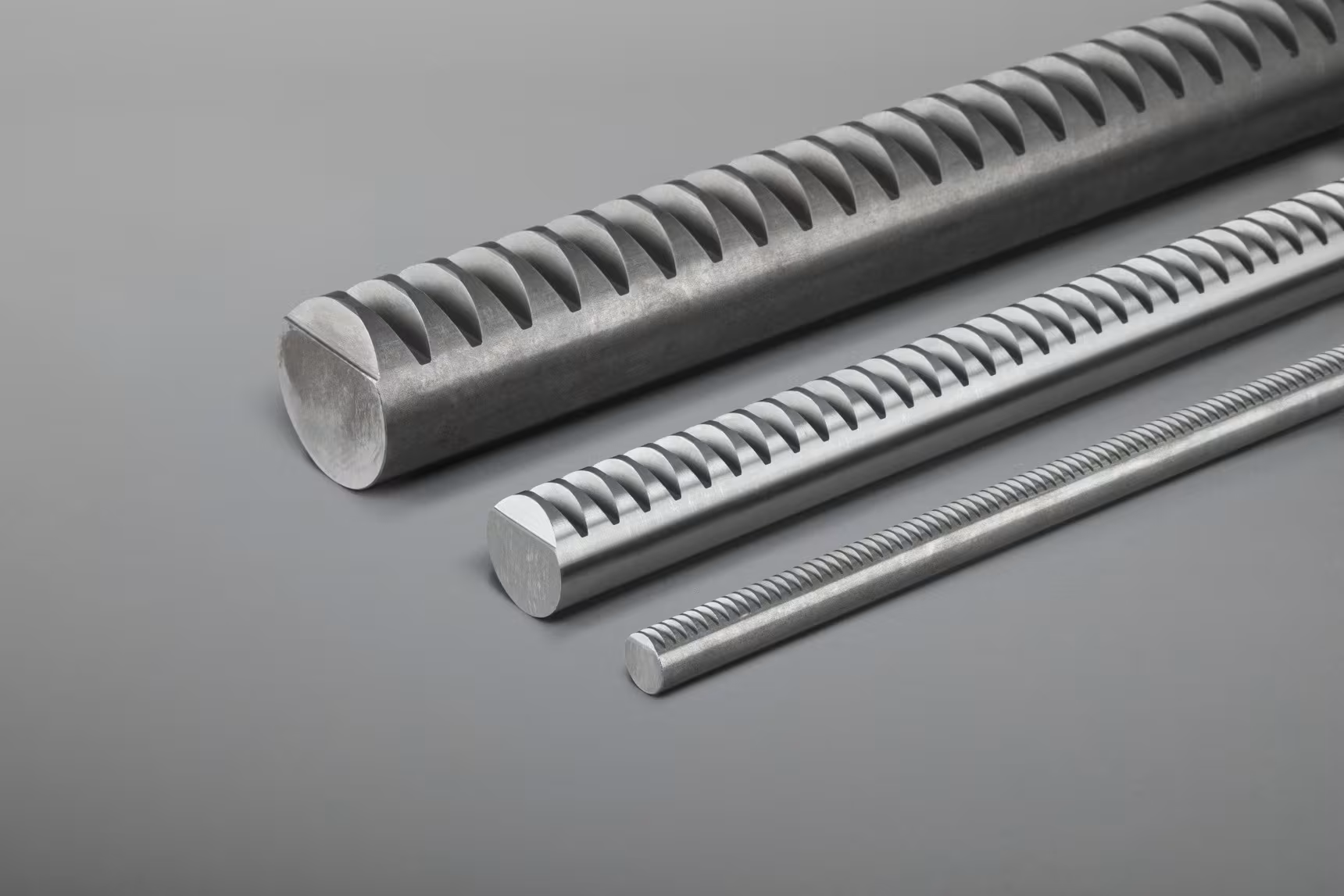
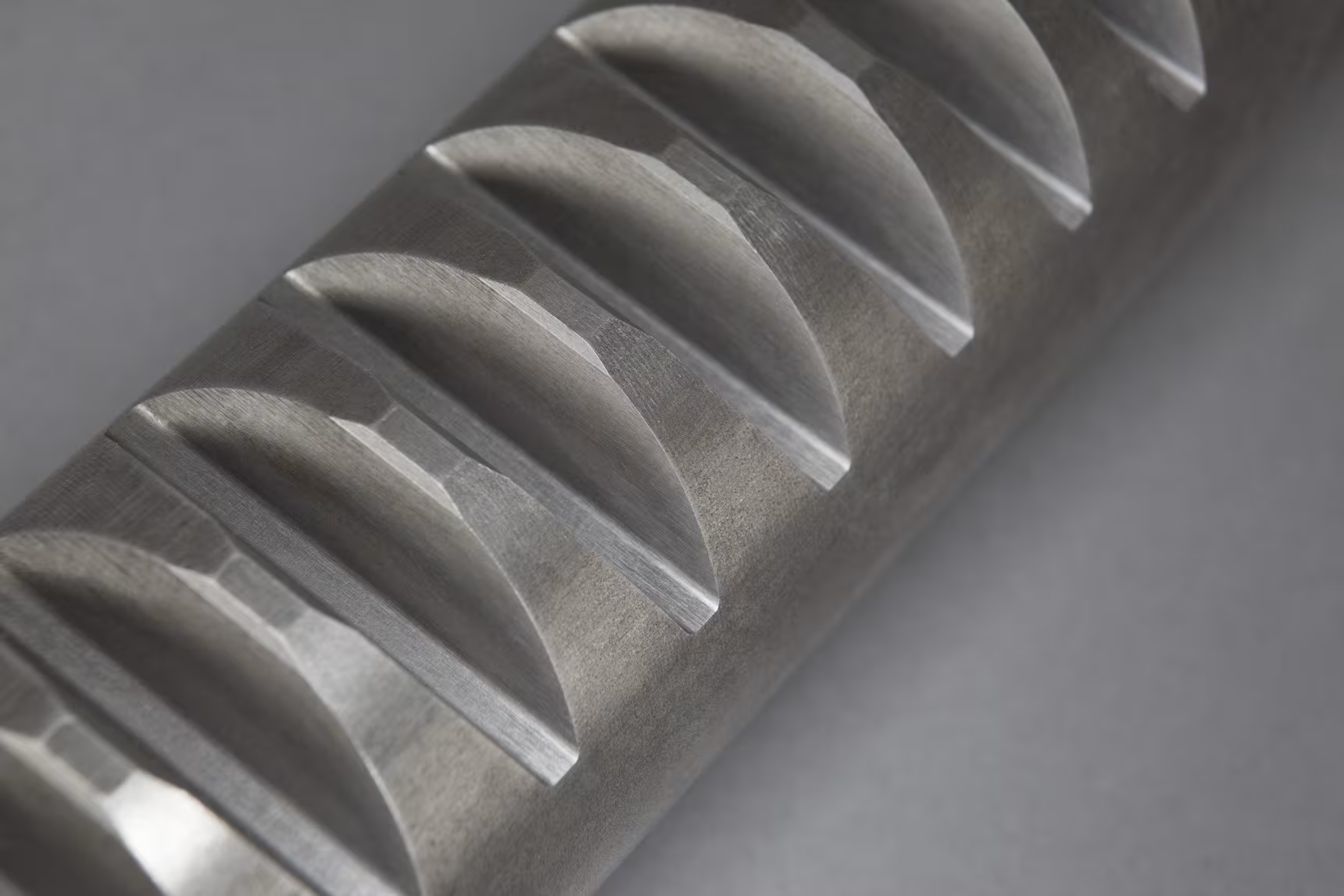
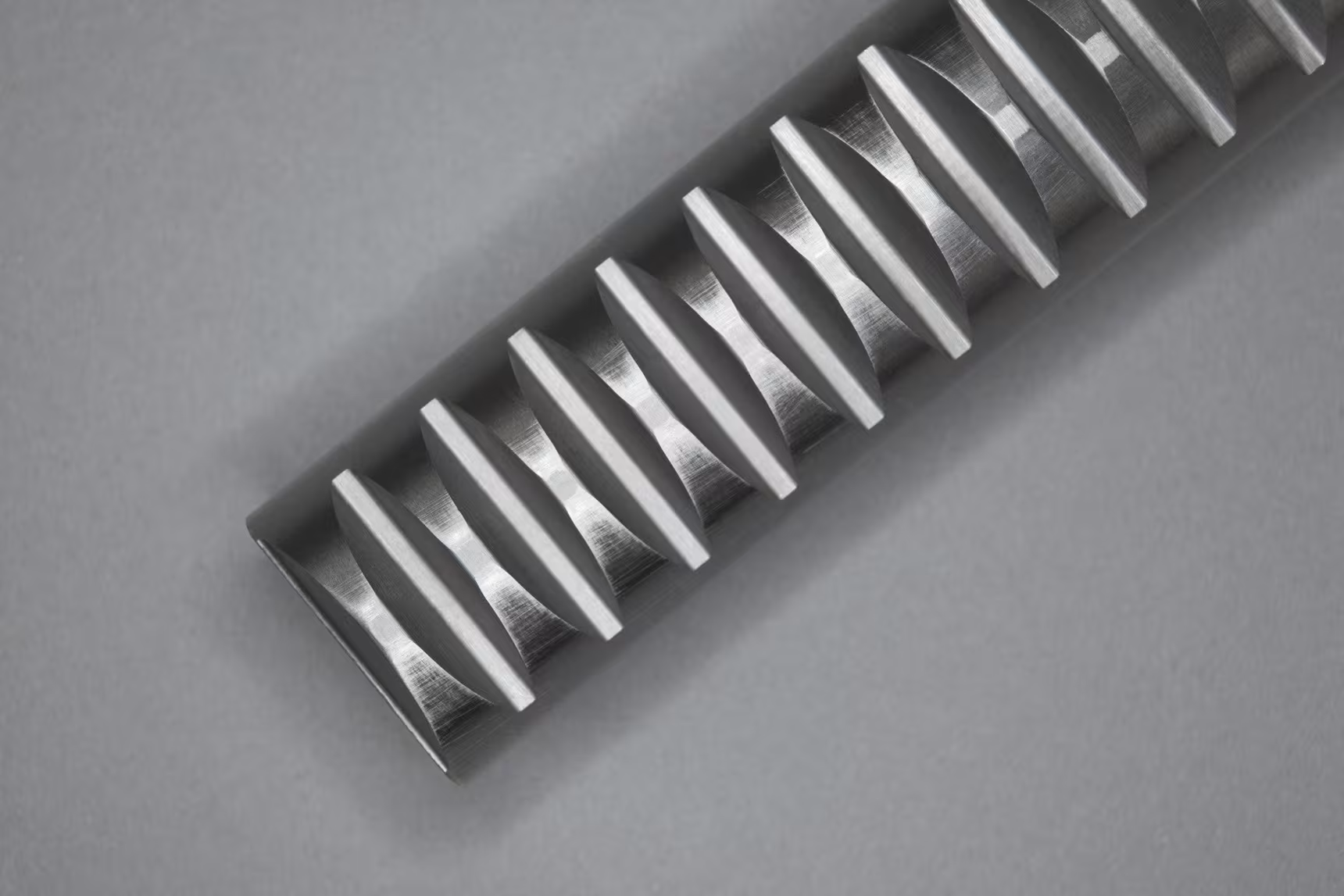
Round racks milled
Download tech. info (PDF) -
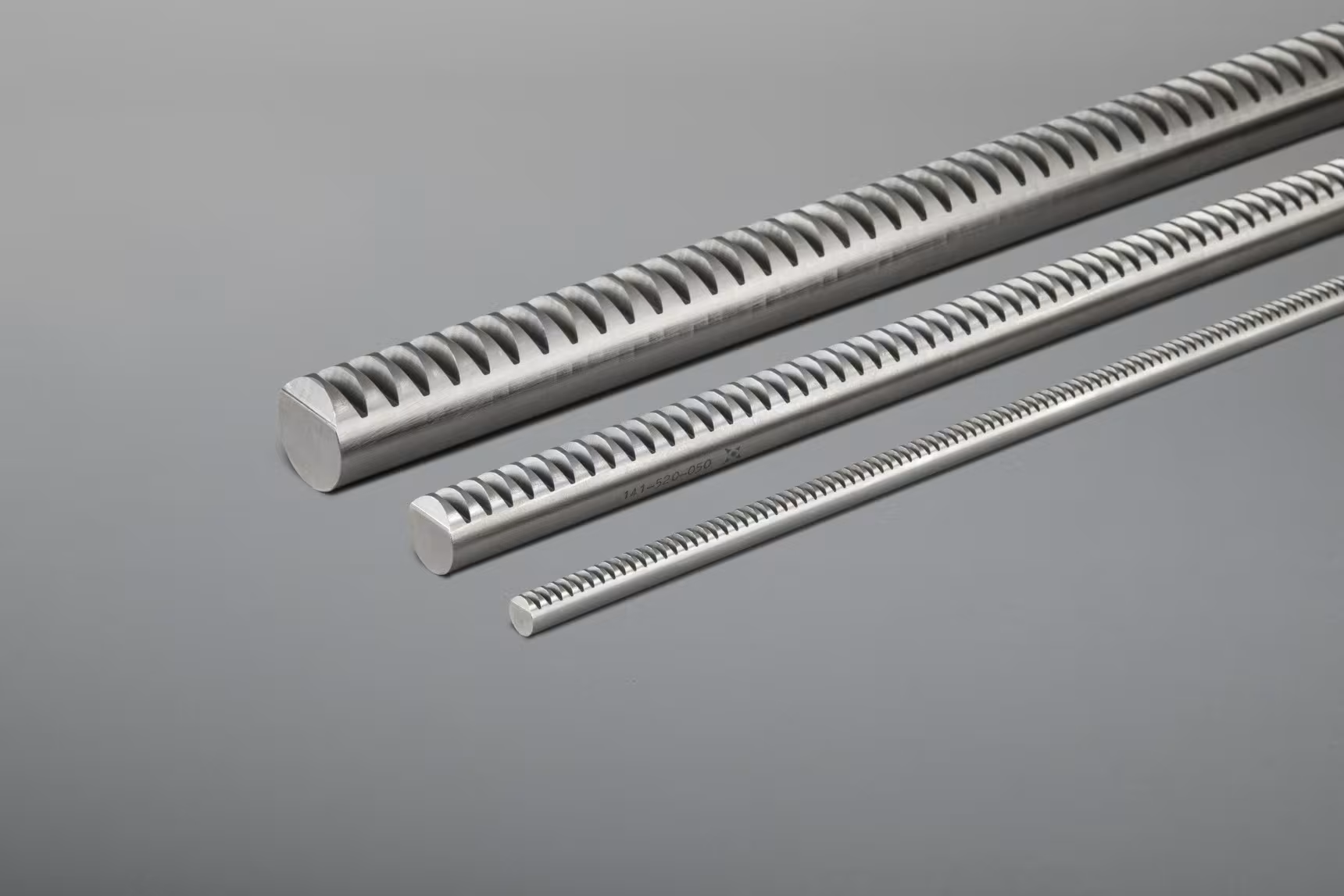
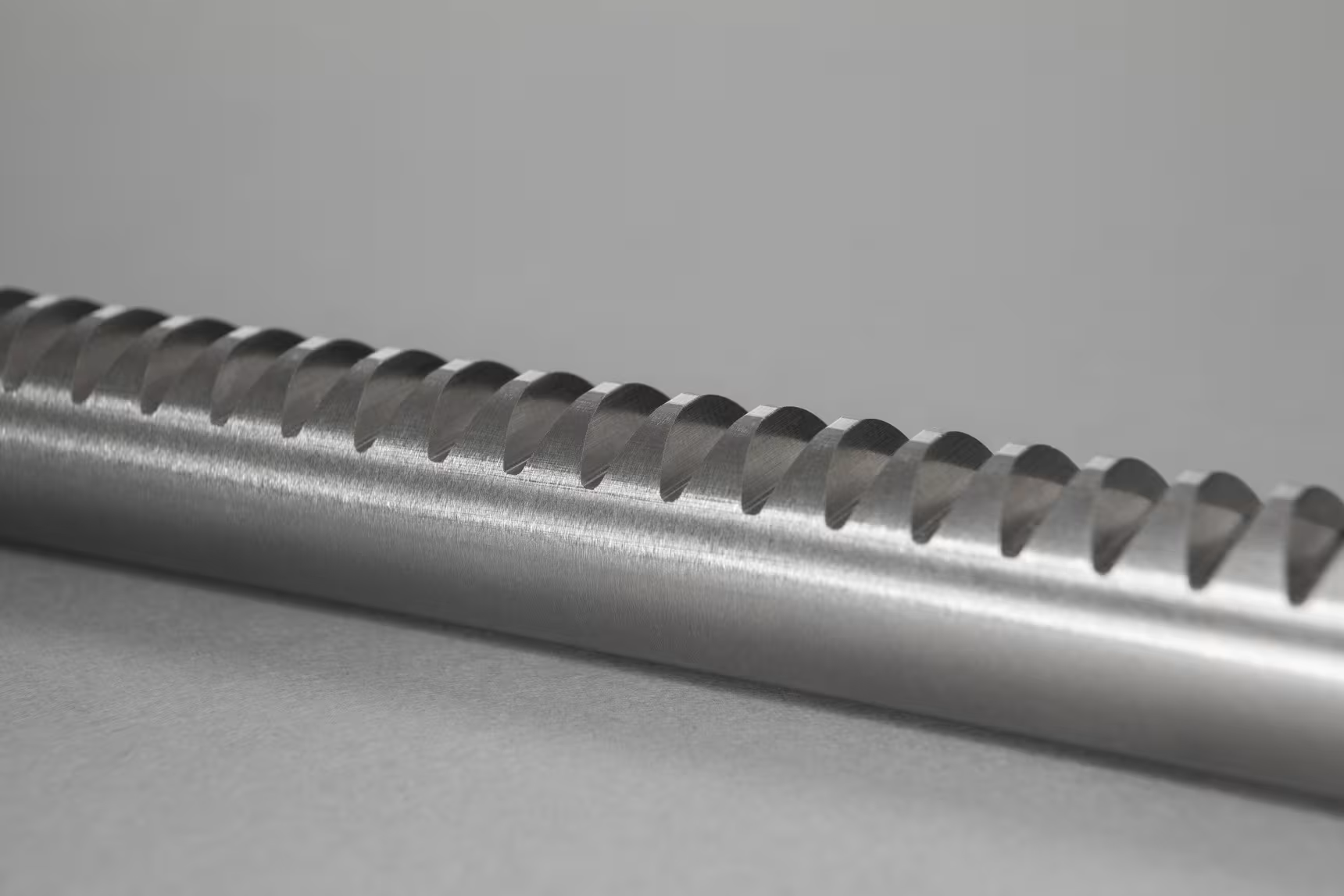
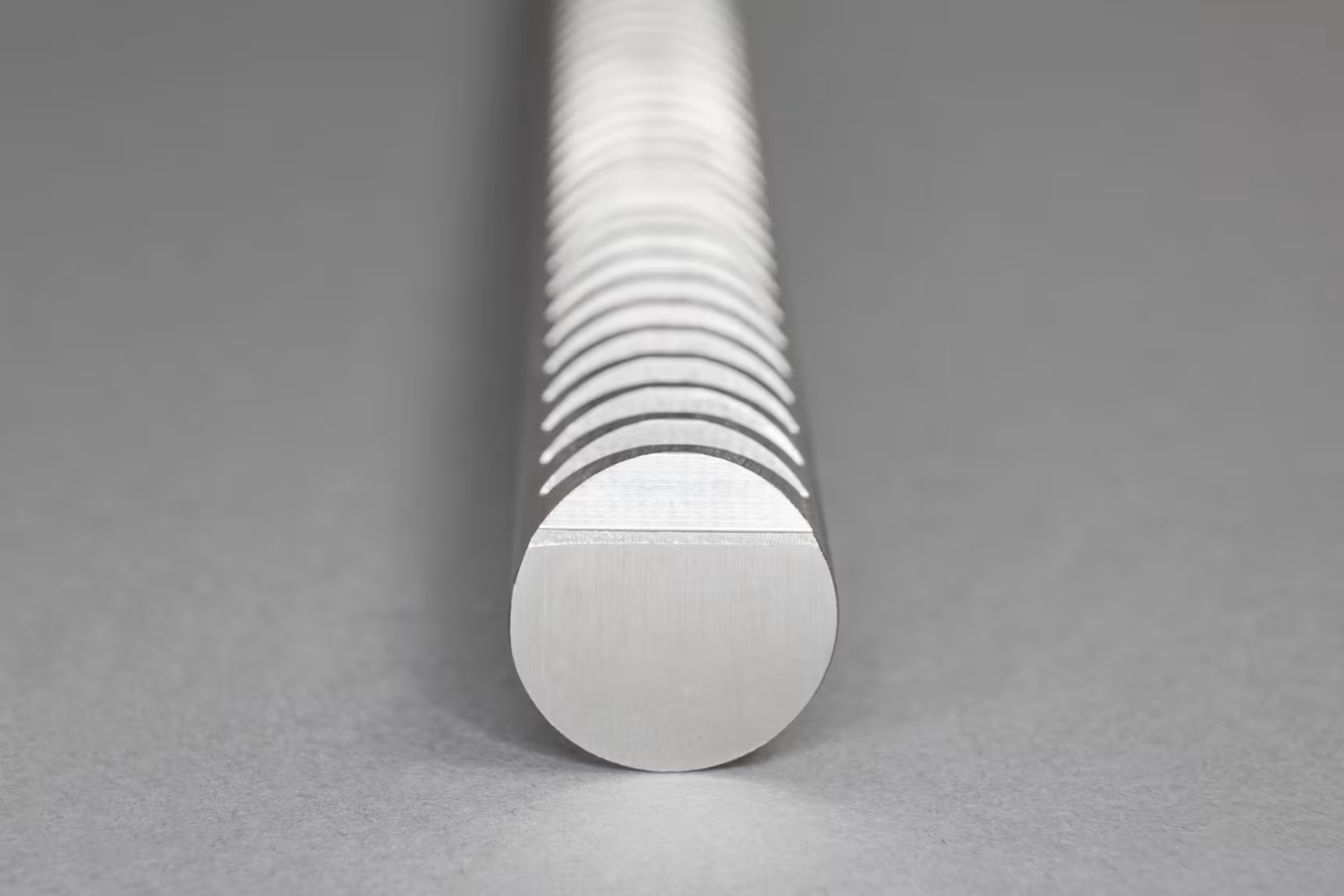
Round racks stainless
Download tech. info (PDF) -
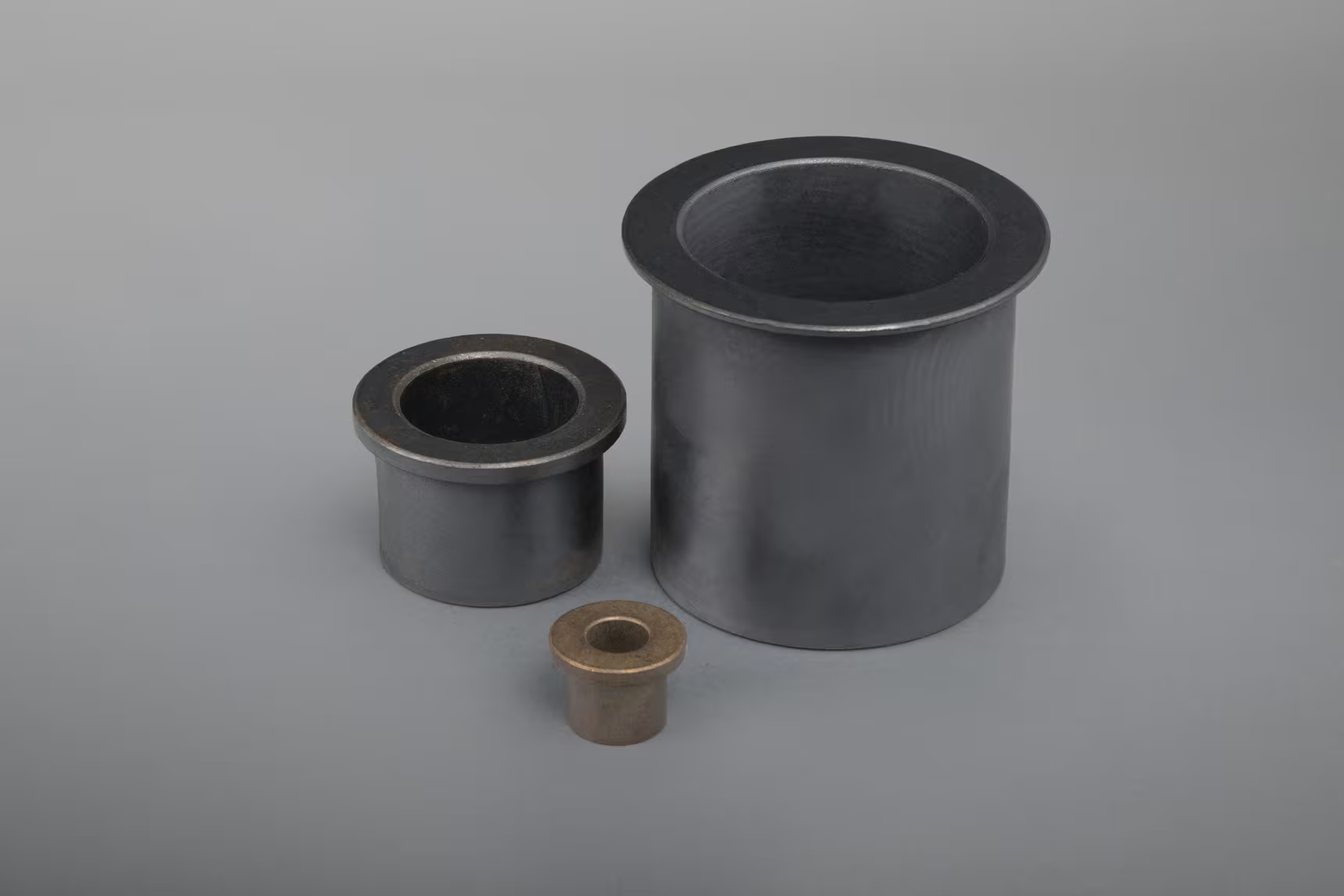
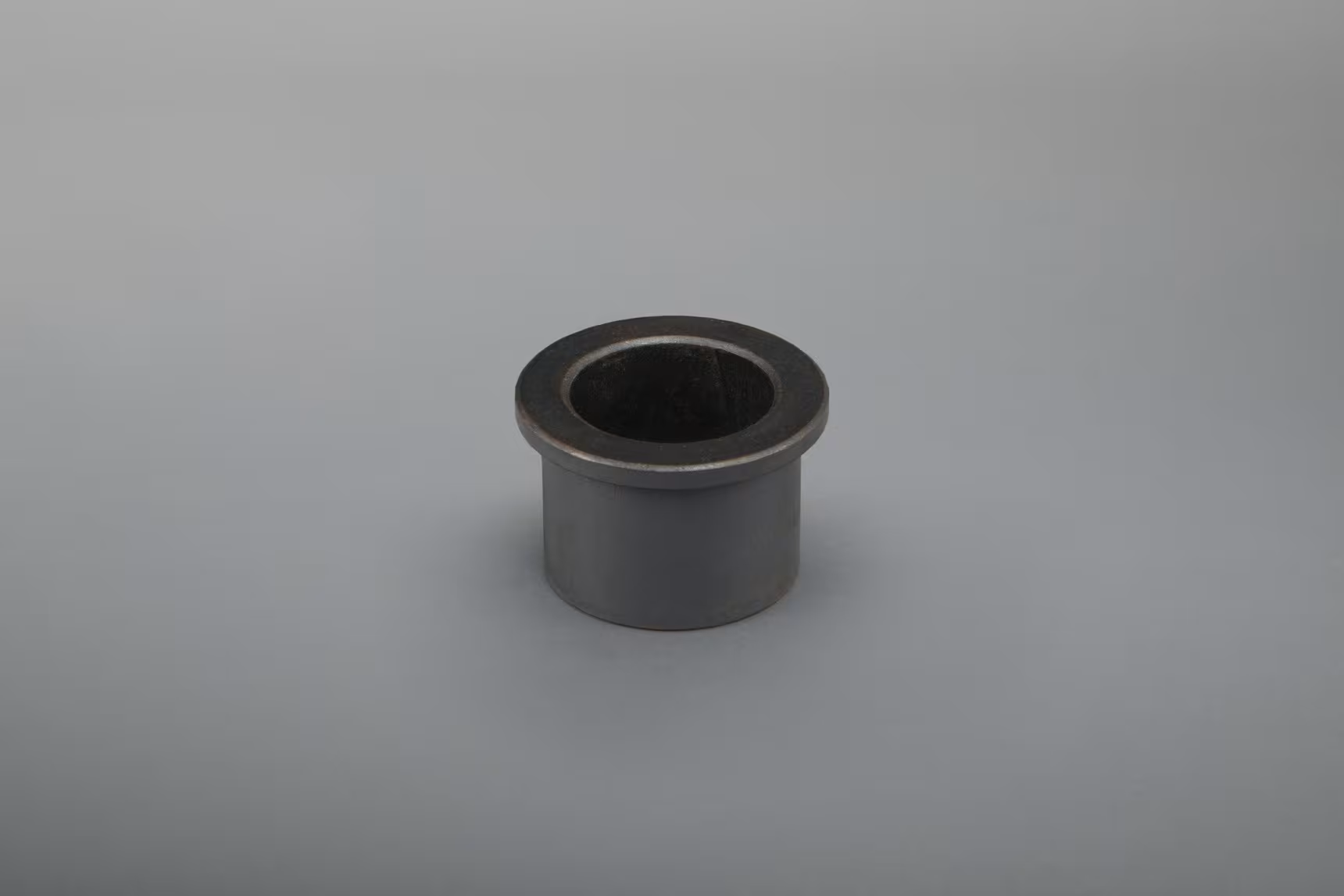
Guide bushes
Download tech. info (PDF) -
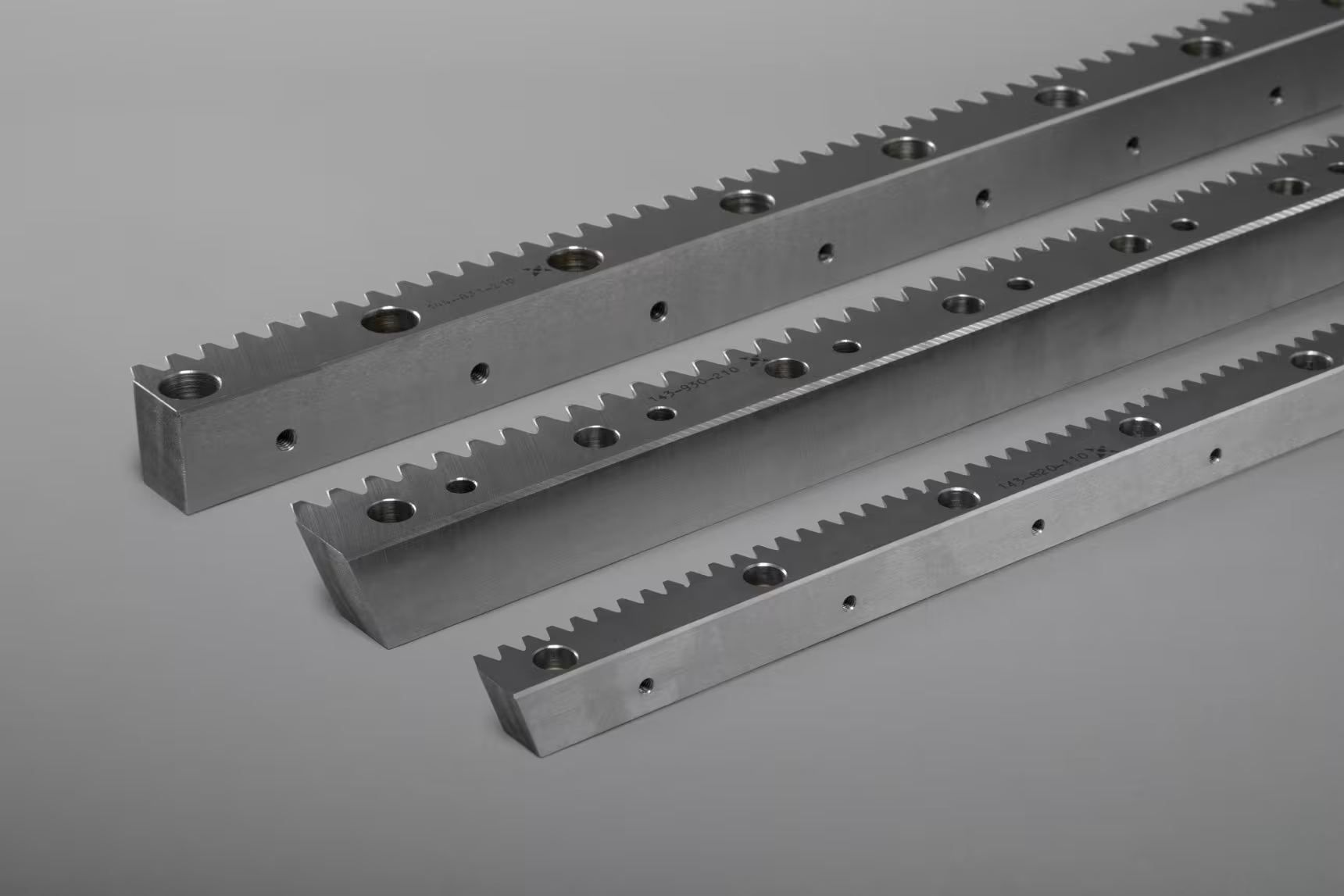
Racks for linear guides
Download tech. info (PDF)
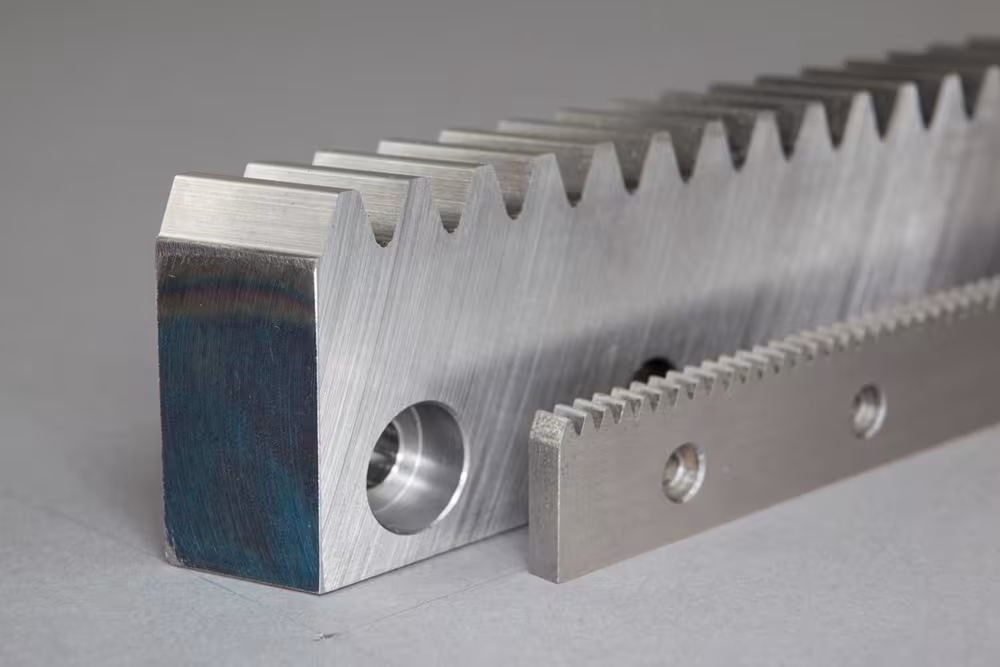
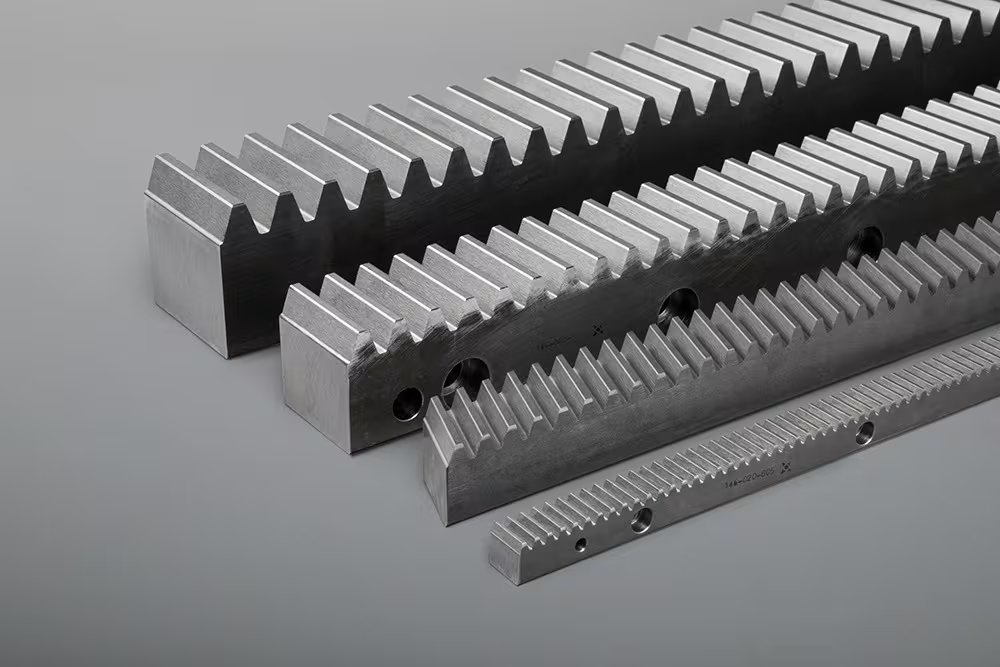
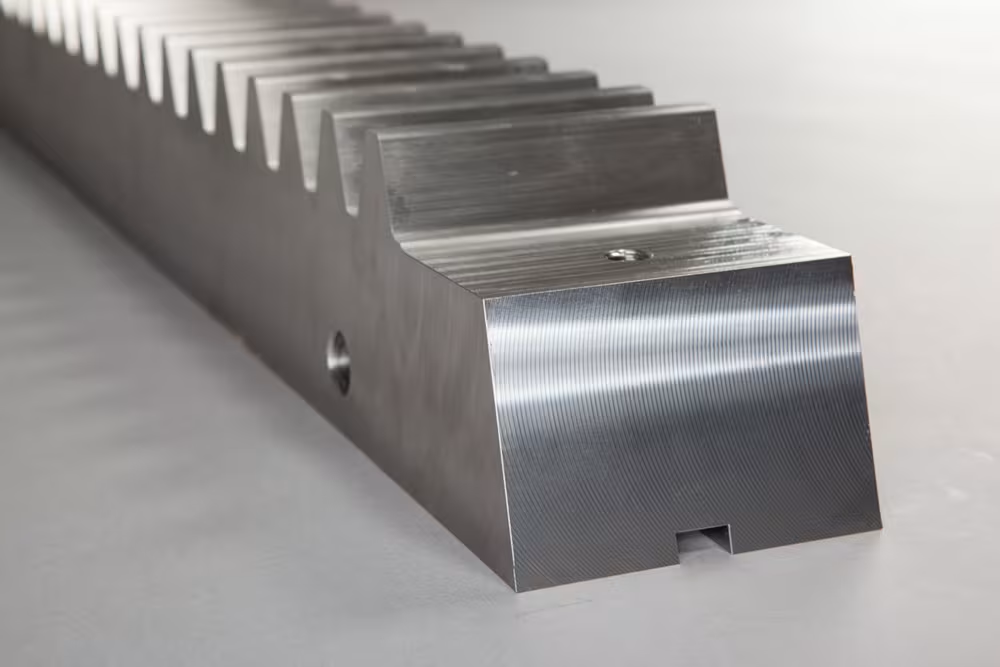
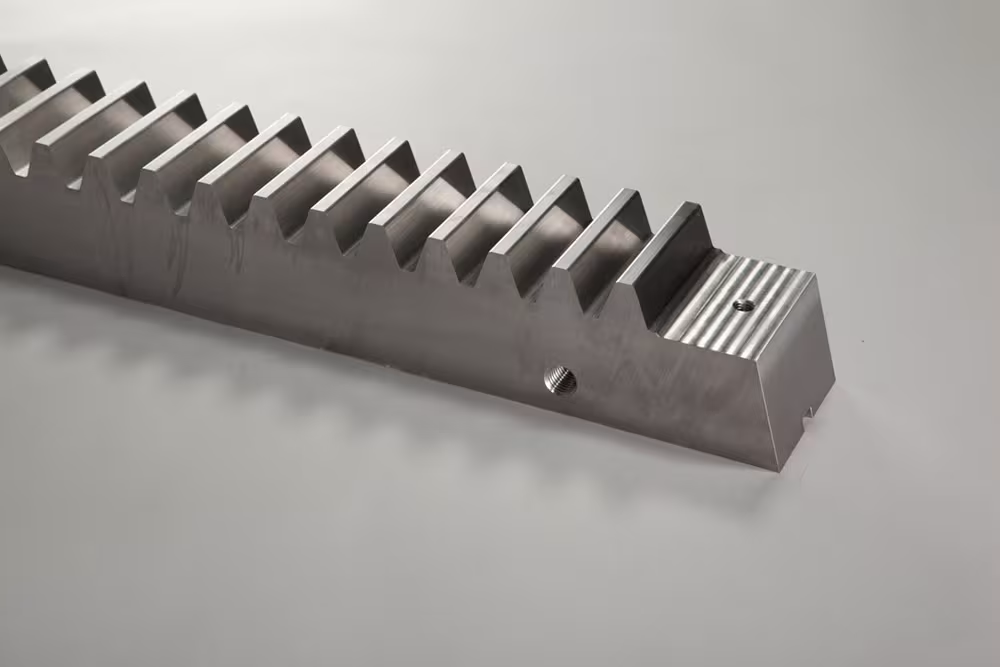
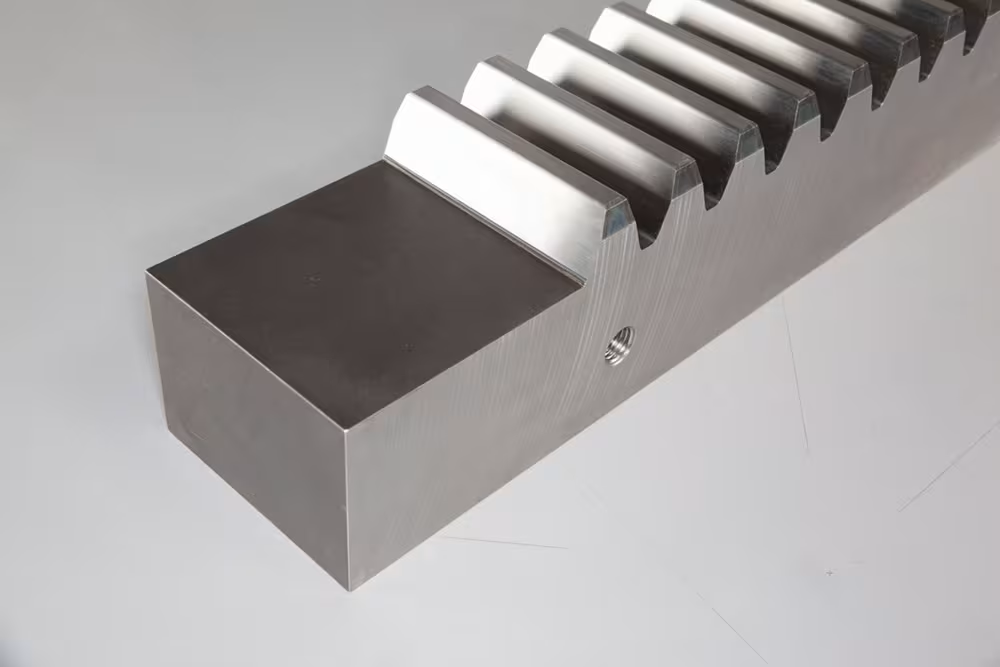
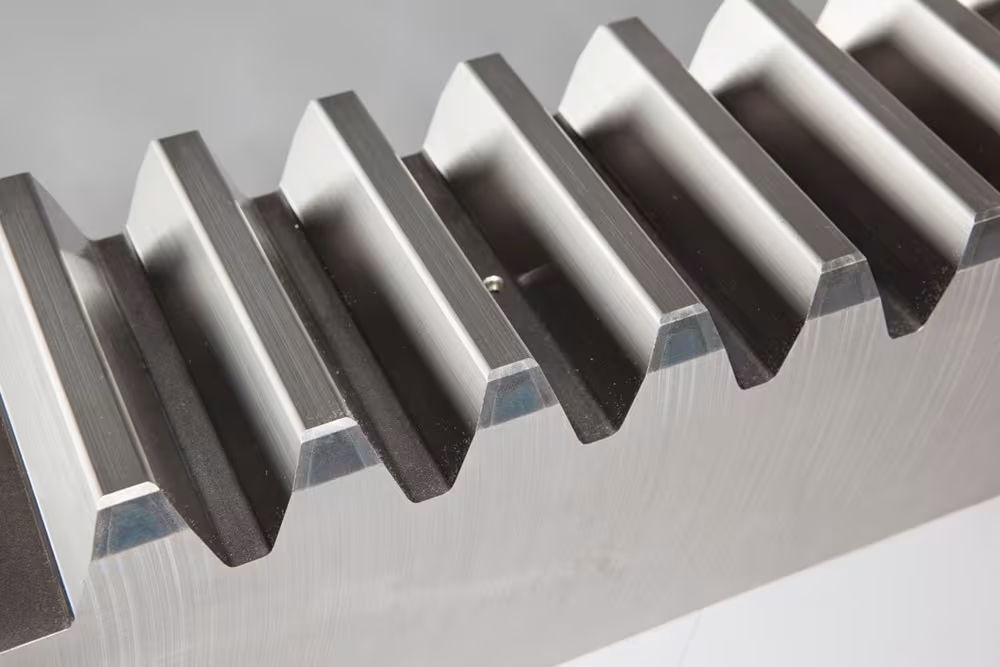
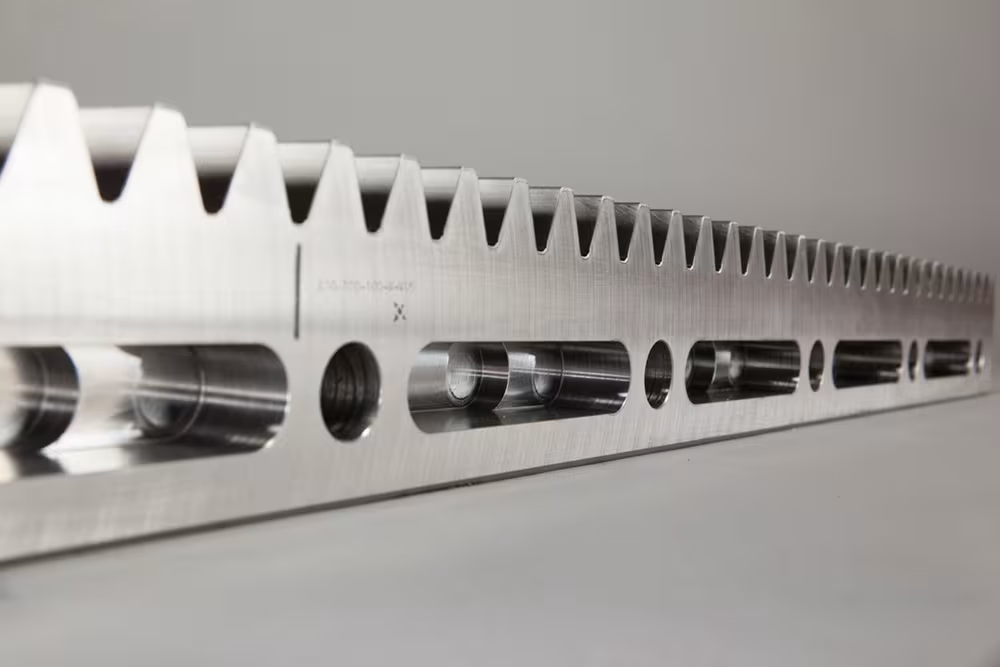
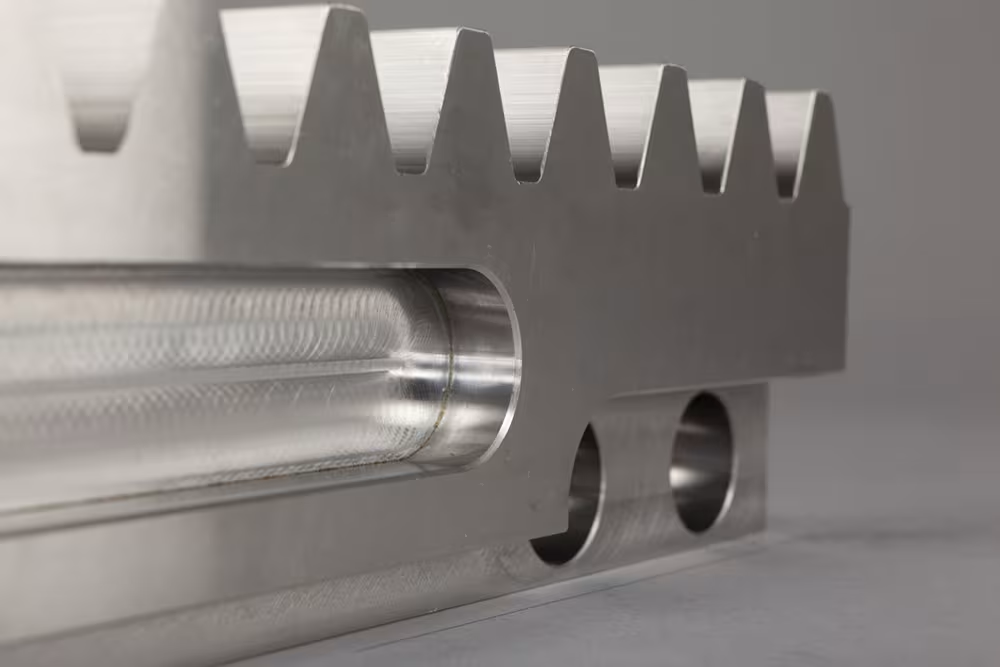
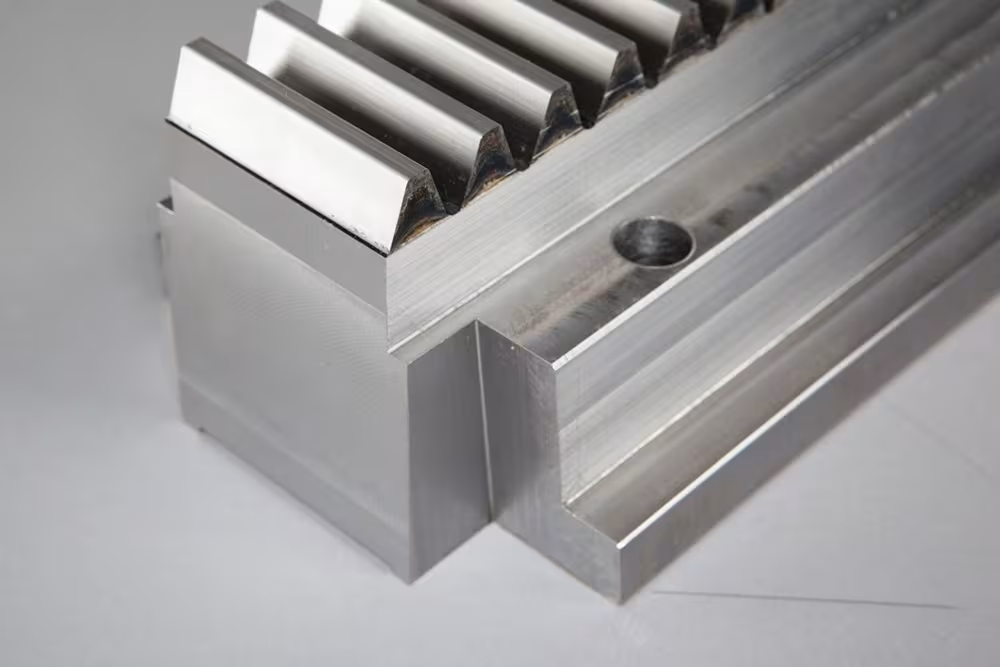
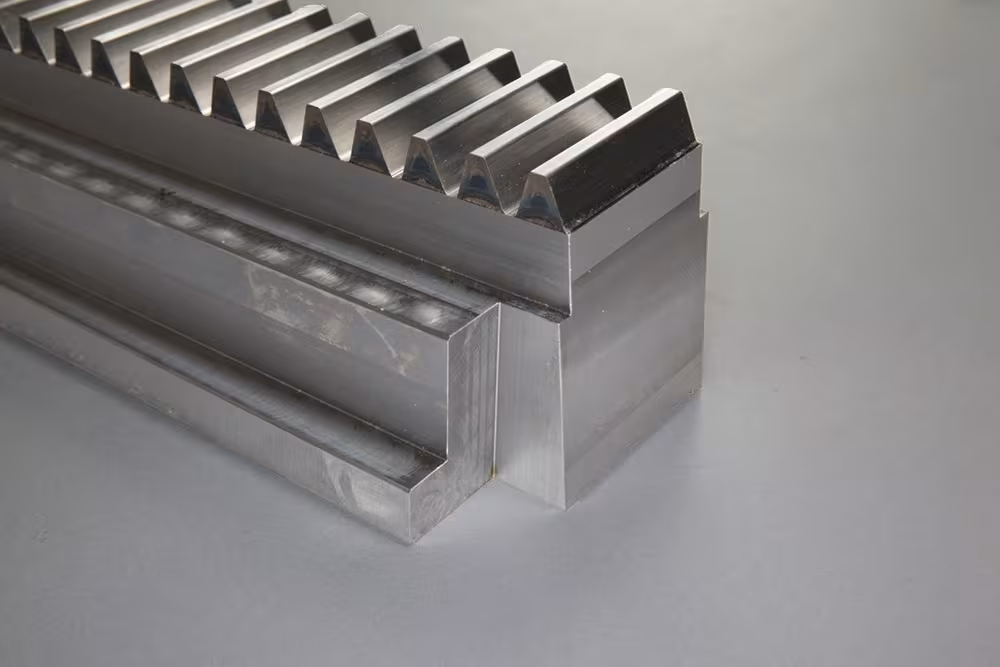
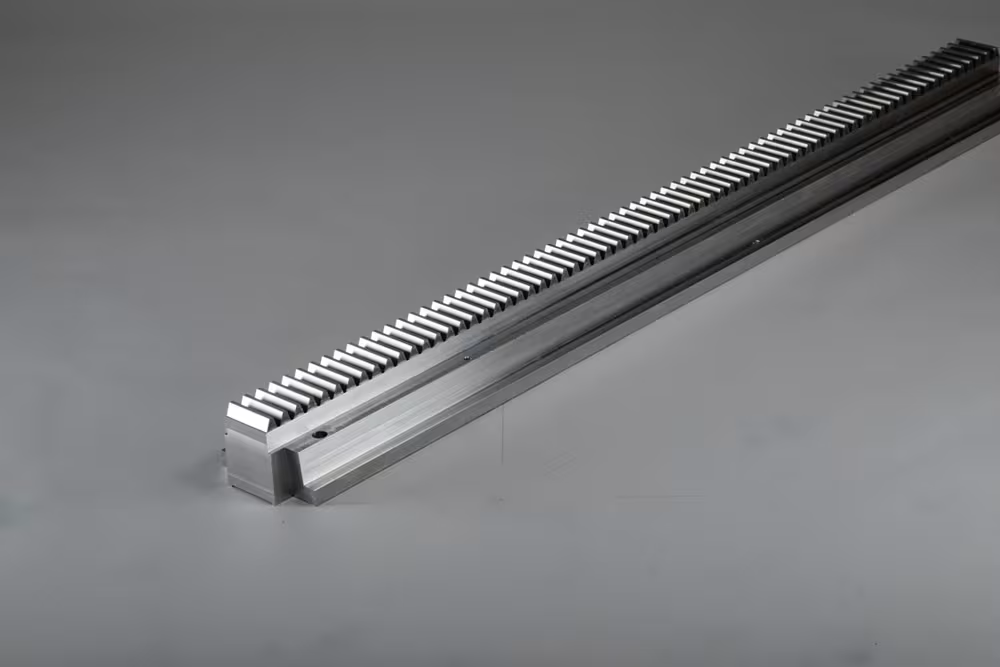
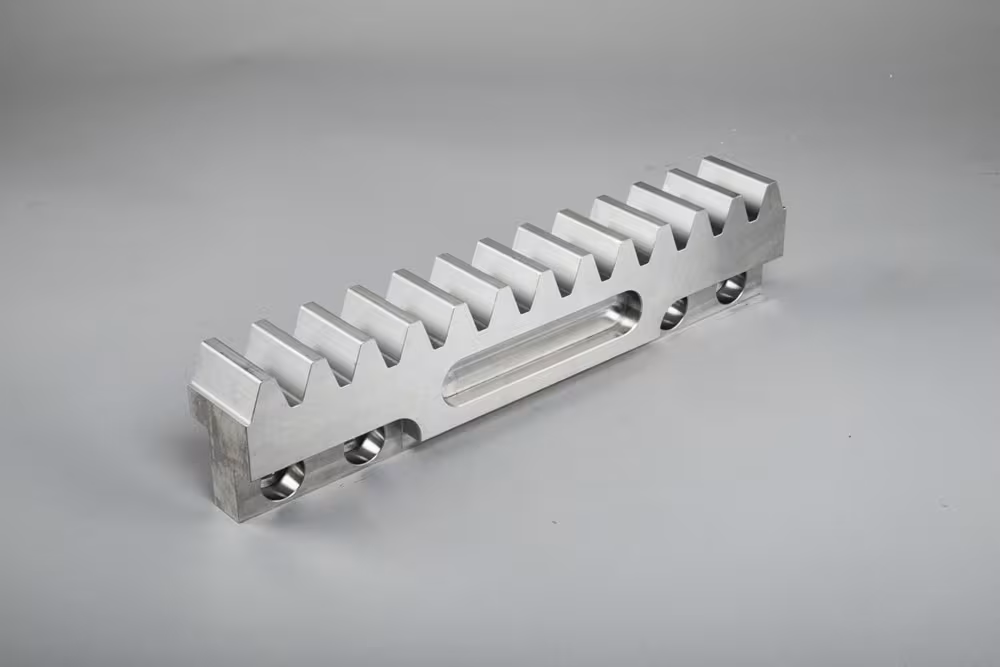
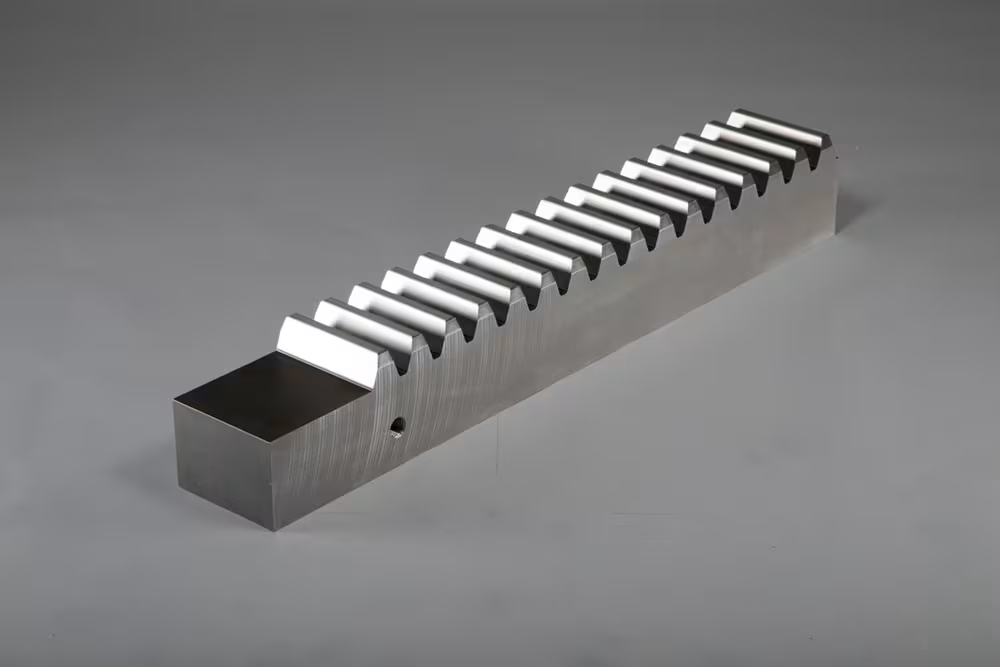
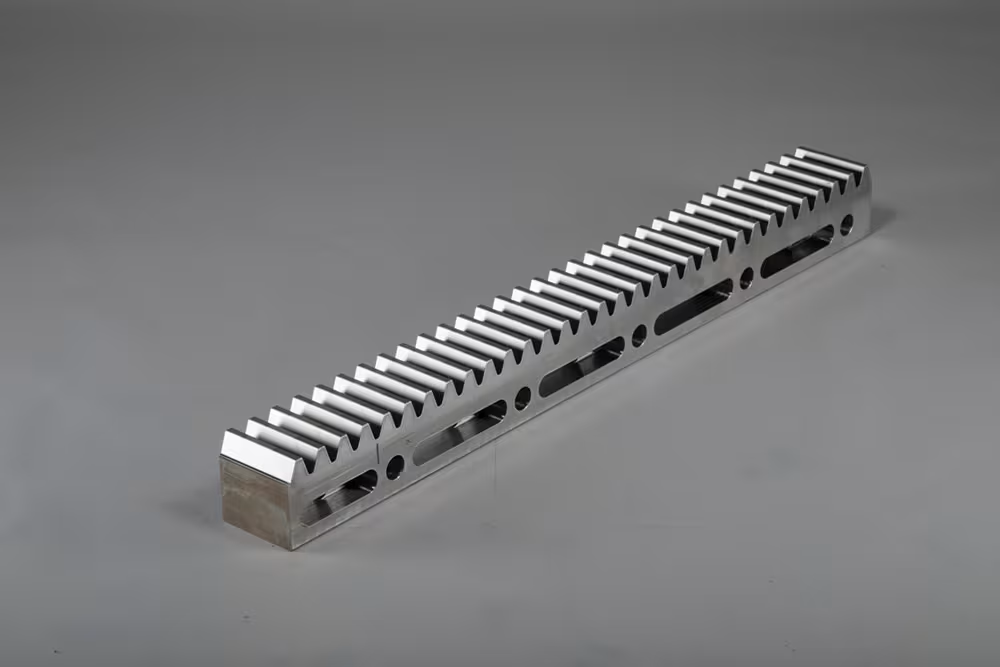
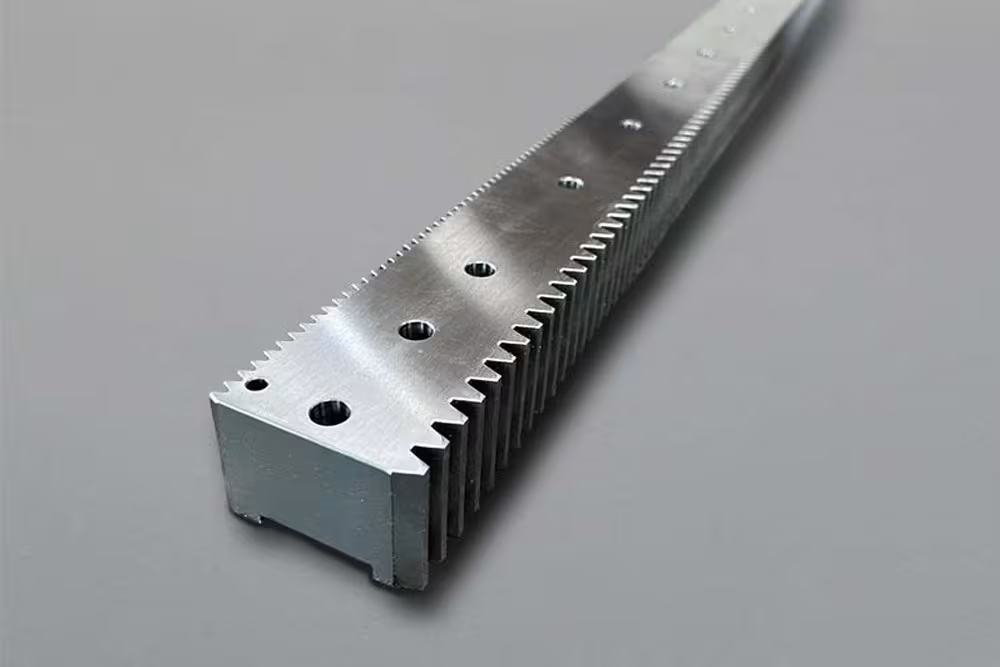
Racks in pictures
Take a look at our gallery to see how versatile our rack range is. You will find the racks that suit your purpose with us!
Good to know
What is a rack and what is it for?
A rack is essentially a gear with an infinitely large pitch circle diameter and root diameter. Put simply, it is nothing other than a gear “pulled straight”. It follows that the geometry of a rack corresponds to the unrolled geometry of a gear with involute toothing (other types exist). As a machine element, it serves to transmit forces.
Combined with a gear, also called a pinion, the assembly is known as a rack and pinion drive. Its purpose is to convert between linear and rotary motion. Examples of such motion conversion are:
- Generating a rotary movement by moving the rack with a hydraulic cylinder
- Generating a linear movement by means of an electric motor
What does the module describe on a rack?
Which rack designs are available?
Because of the wide range of applications and the industry-specific requirements that come with them, several rack designs have become established.
Toothing
Straight toothing avoids axial forces arising from the design. It is also comparatively simple and inexpensive to manufacture. Its main disadvantages are the abrupt change of mesh between rack and pinion and the higher noise level. Straight-toothed racks are therefore recommended for lower circumferential speeds. Helical toothing offers smoother running, a higher load capacity and a more continuous transmission of torque. In return, you have to allow for higher purchase costs and for compensating the axial forces.
Material
The material racks are made from varies with the requirements. C45 quenched and tempered steel, widely used in mechanical and vehicle engineering, is used here as well. Where corrosion resistance is required, free-cutting steel 1.4305 (X8 CrNiS 18-9) is a common solution thanks to its easier machinability. It does not have to be steel, though: plastic racks are used wherever the requirements allow. If you have questions about selecting the right rack for your application, we are glad to help.
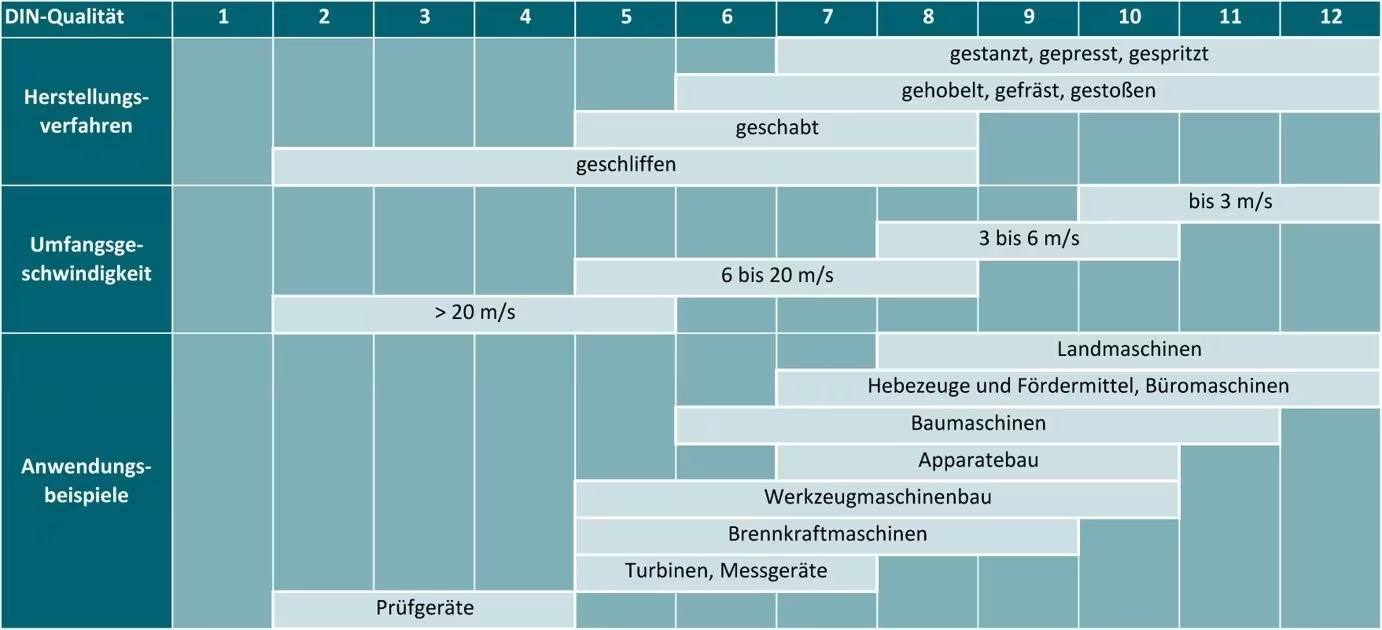
Which quality does my rack need?
With racks, this is referred to as gear quality. The quality requirements arising from the application affect how the rack is manufactured. The first step is to determine the circumferential speed, which is the starting point for the rest of the design. The speed determines whether a straight-toothed or a helical rack is selected, and it already narrows down the quality required. The table shown gives a number of application examples.