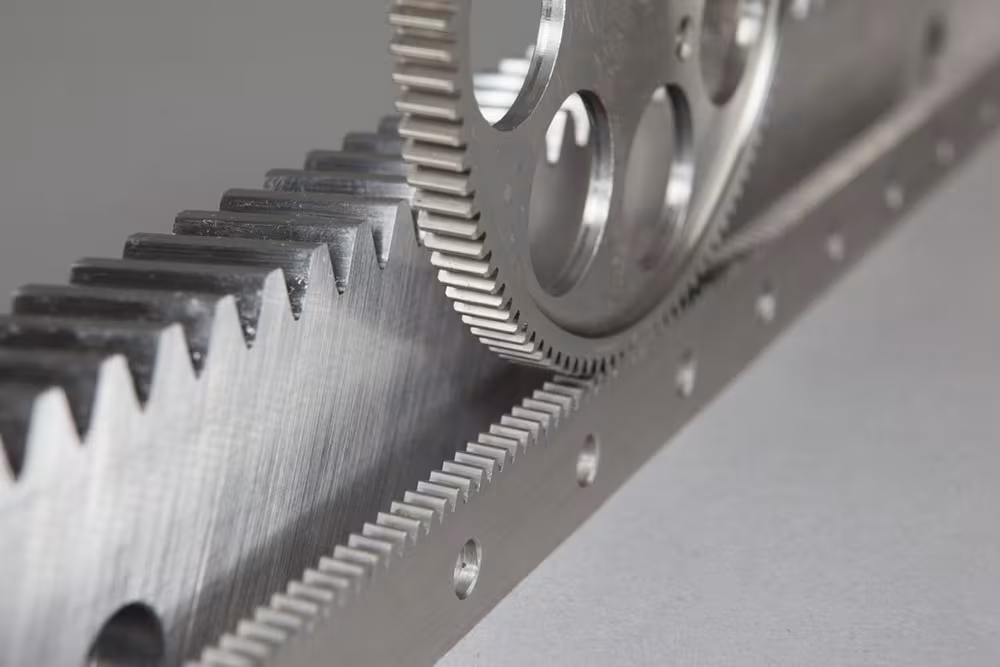
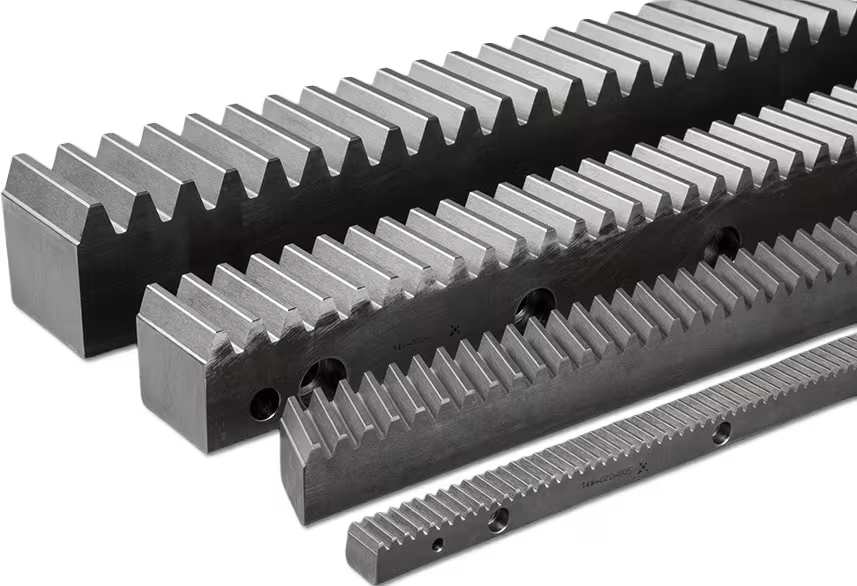
Gantries and linear axes often have to travel several metres, and with repeatability in the µm range. Standard components quickly reach their limits here. Anyone using drive components that are not equal to this task will sooner or later struggle with positioning deviations that throw the entire system out of cycle.
Then there is the time factor. In automation technology, every second of cycle time is hard cash. Axes have to accelerate dynamically and position precisely, thousands of times per shift, without wear that leads to unplanned downtime after just a few months.
There is also the installation space: room is tight, interfaces are predefined, supply chains are under pressure. Design engineers need drive components that can be integrated into the existing system without complications, ideally available immediately and without weeks of procurement effort.
Not least, the complexity of modern automation systems is constantly increasing. Multi-axis systems, changing loads and high demands on safety and maintainability call for drive components that do not just function individually but interact perfectly. This is exactly where WMH Herion comes in.