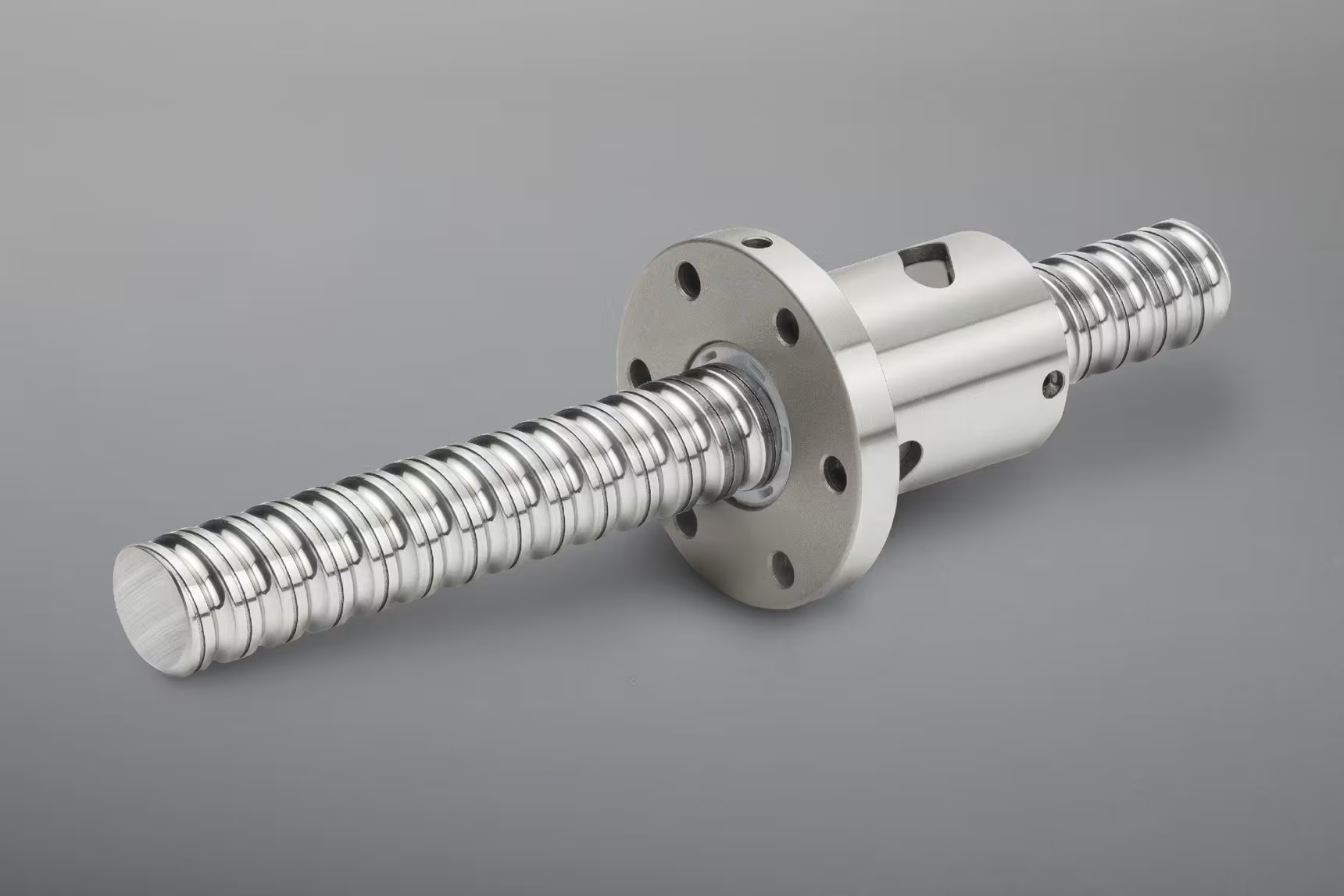
Ball screws
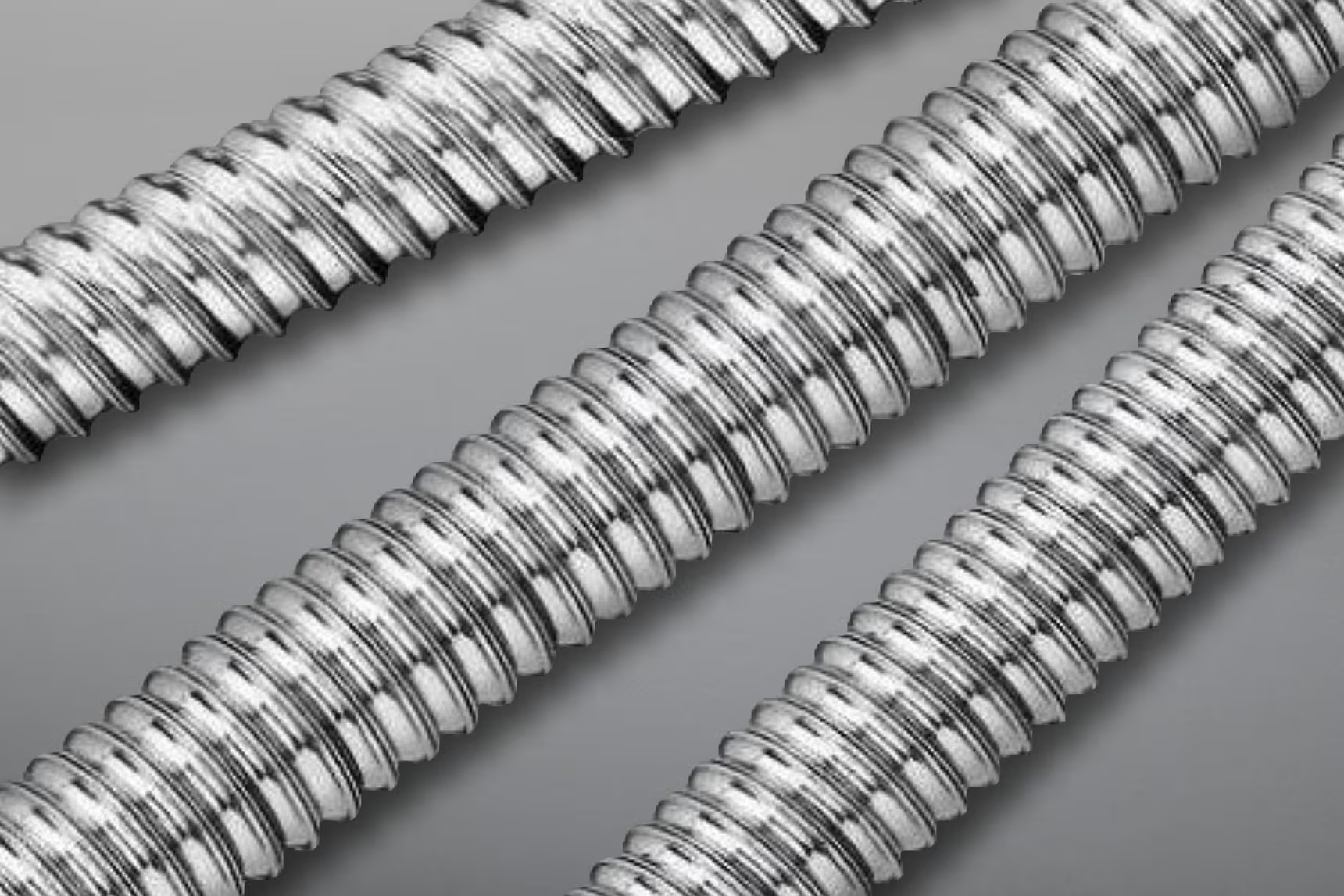
With a large selection of screw geometries and nut types, ball screws offer versatile applications. They are available in ground, whirled and milled designs, also with individual end machining.
Our stock range includes
- Ball screws
- Ball screw shafts – rolled, right-hand;
- Ball screw nuts – right-hand
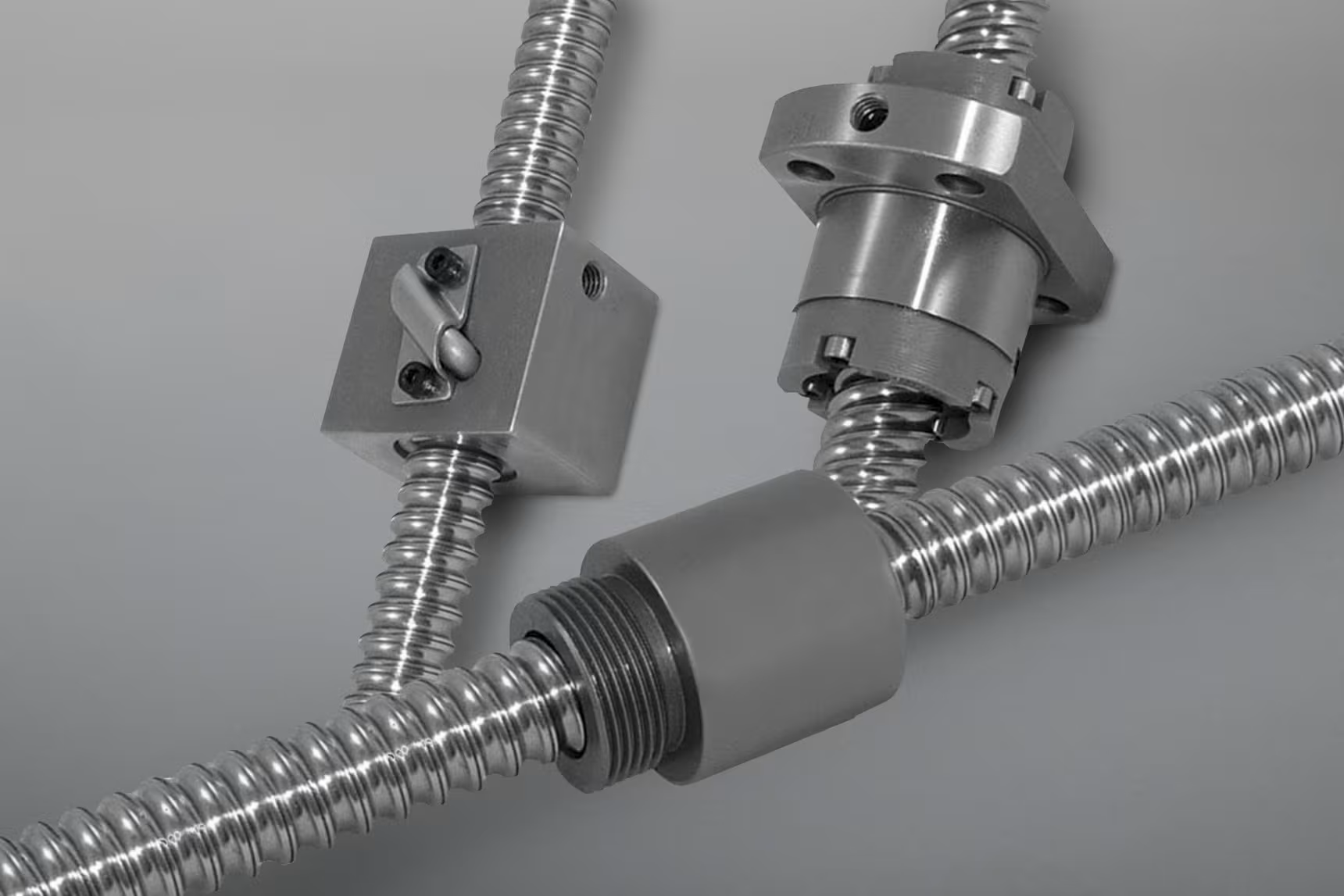
- Ball screw nuts in the versions
- FSI
- FSR
- FSC
- FSH
- RSB
- SSV
Our solutions include, among others:
Ball screws
- with combined right-hand/left-hand thread
- with large leads
- in stainless steel design
- with end machining for bearing seats
- for use in high-temperature environments
- Miniature ball screws
Ball screw shafts
- Ground, whirled and rolled
- Diameter 10 mm to 125 mm
- Thread length up to 12,000 mm
- Extra lengths are possible
- Thread lead 2 mm to 100 mm
- Leads right-hand or left-hand
- Tolerance classes from IT 1 in accordance with DIN 69051
Ball screw nuts
- Flanged nuts as well as cylindrical and block ball screw nuts
- Single and double nuts
- Various preload classes
- And various ball return systems
Shaft end machining
In accordance with the versions on pages G 6 – G 7 or to your drawings and individual requirements.
Overview of our Ball screws
Here you will find our Ball screws with downloads of the relevant technical specifications. Not what you were looking for? Contact us and we will advise you on your project.
-
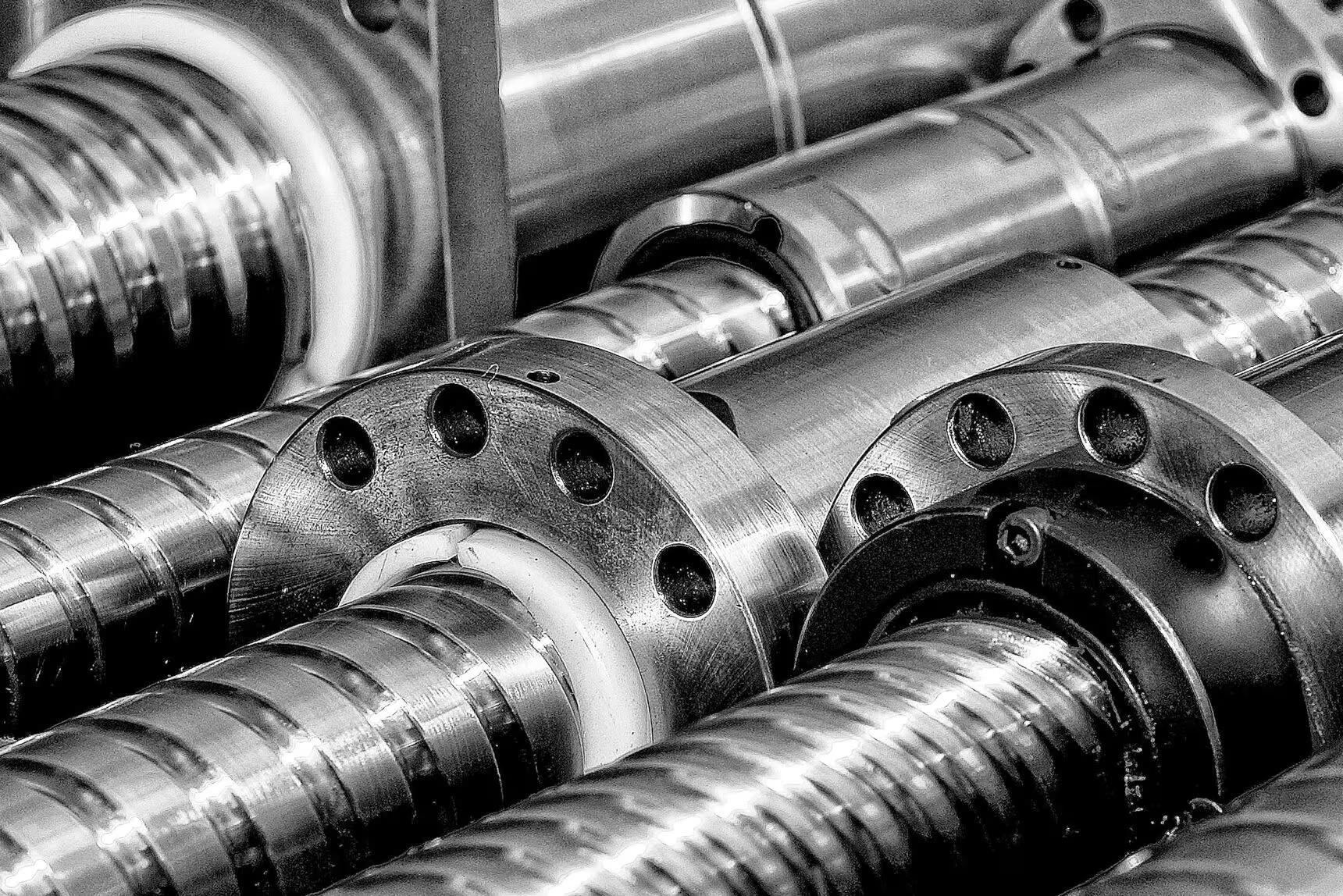
Ball screw manufacturing options
Download tech. info (PDF) -
Ball screw spindles rolled
Download tech. info (PDF) -
Ball screw
Download tech. info (PDF) -
Ball screw nuts FSI
Download tech. info (PDF) -
Ball screw nuts FSR
Download tech. info (PDF) -
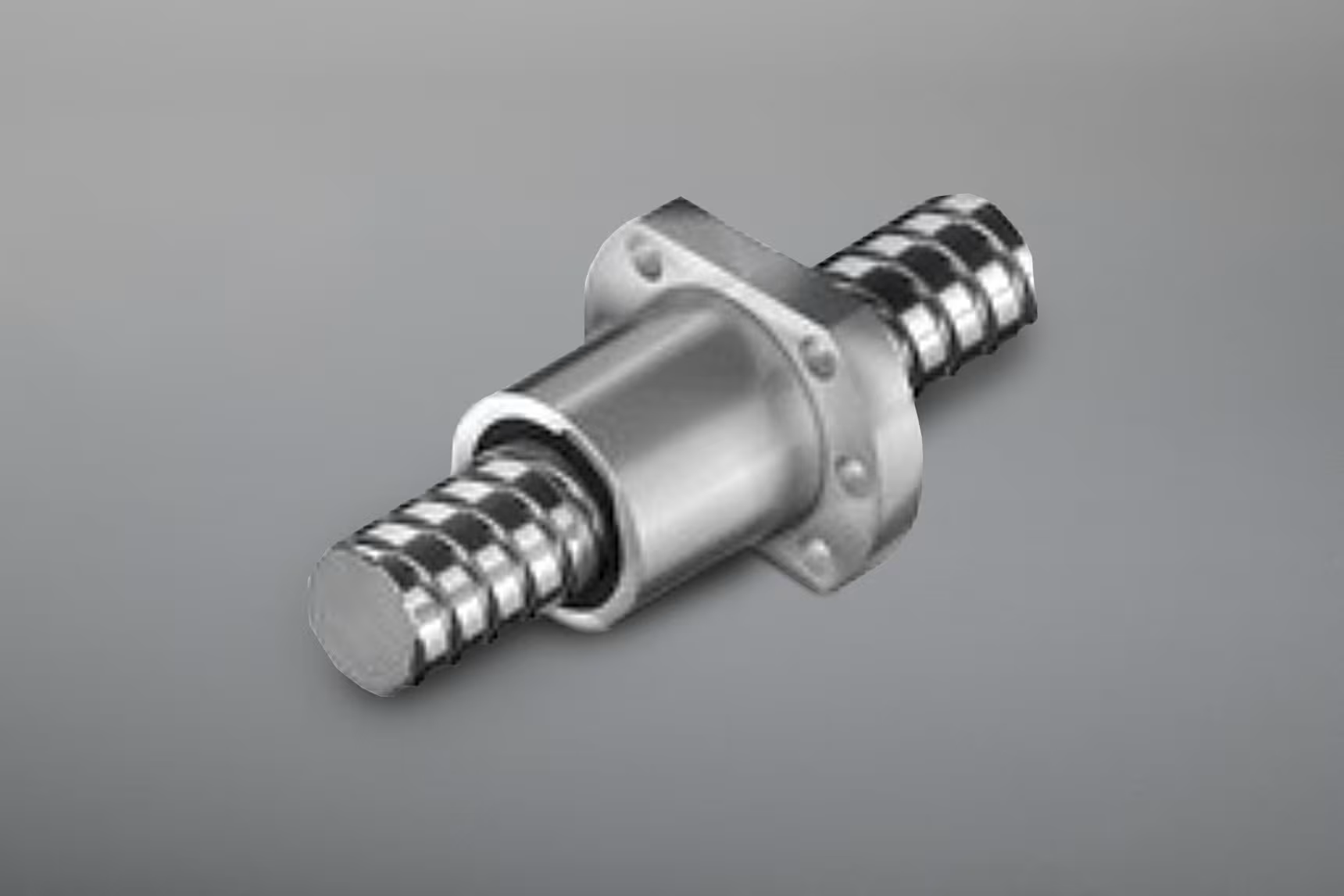
Kugelgewindemuttern FSC
Download tech. info (PDF) -
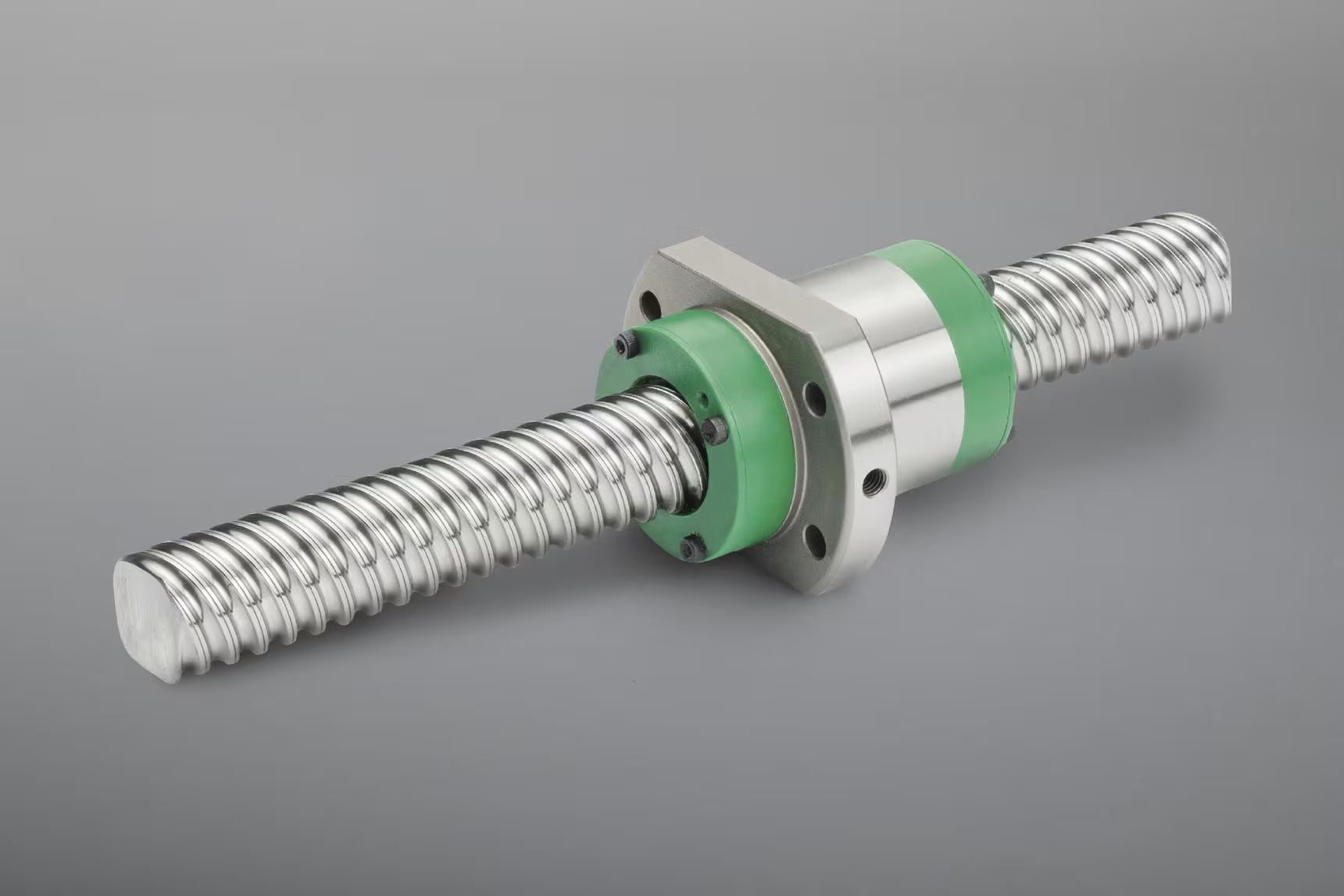
Ball screw nuts FSH
Download tech. info (PDF) -
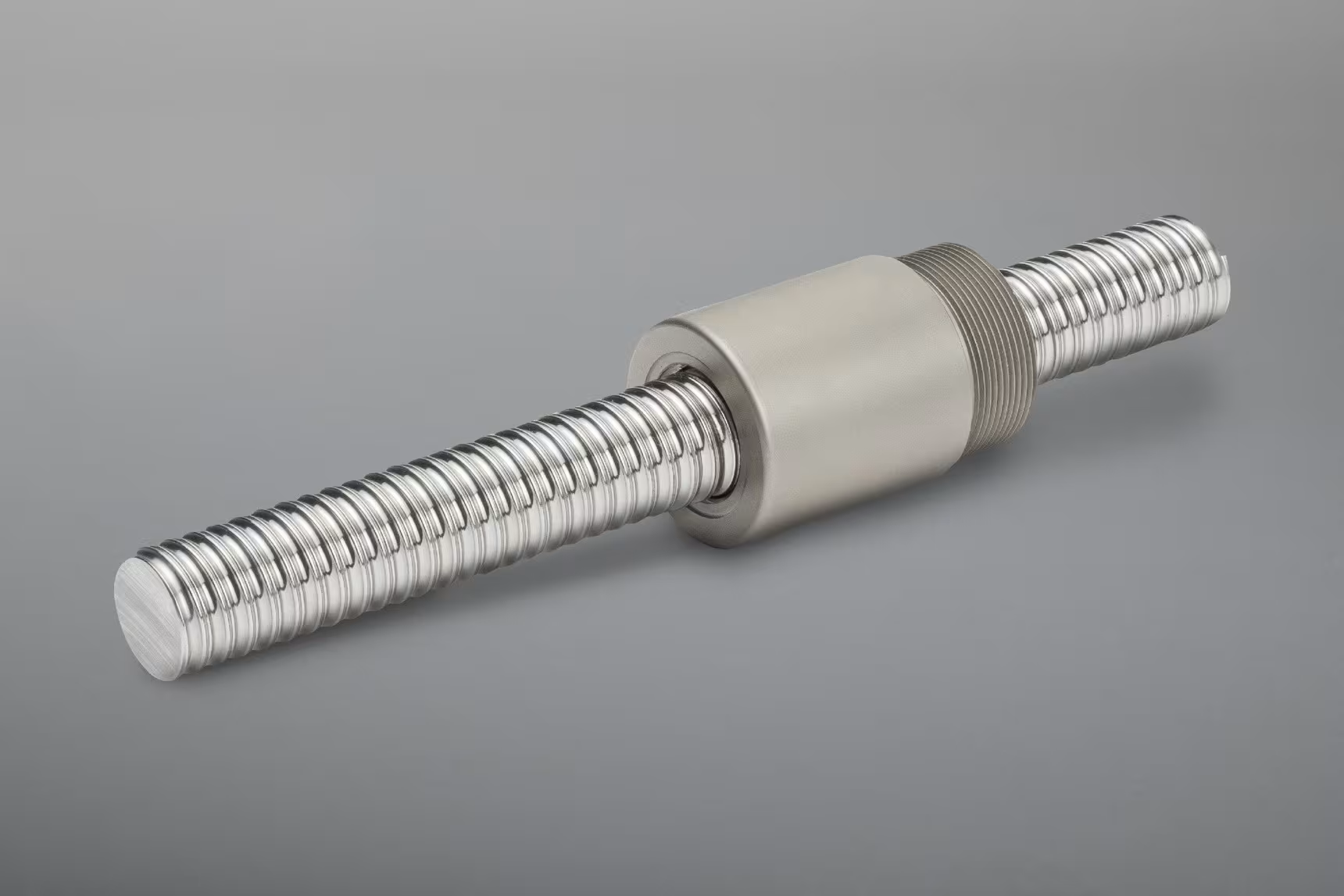
Ball screw nuts RSB
Download tech. info (PDF) -
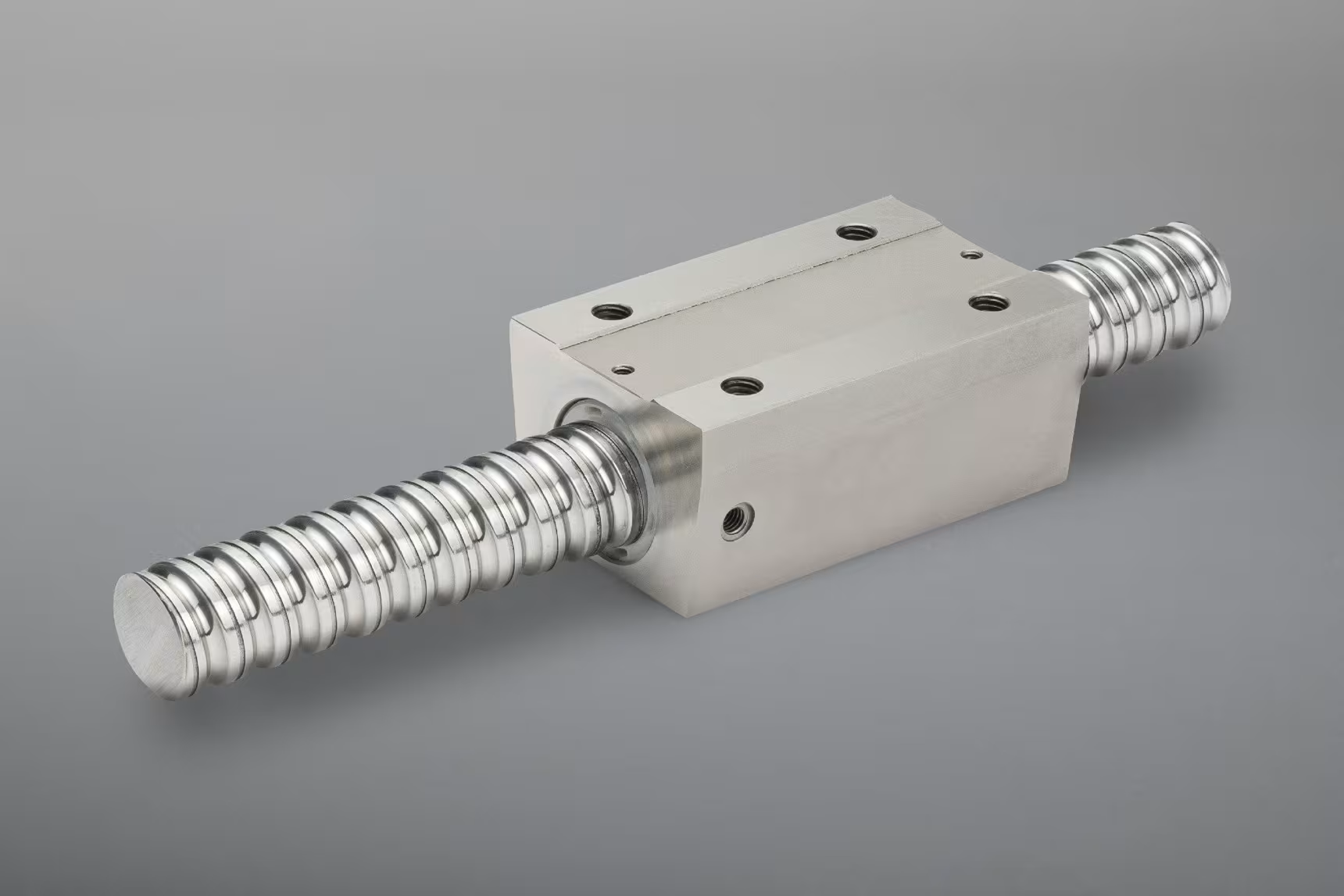
Ball screw nuts SSV
Download tech. info (PDF)
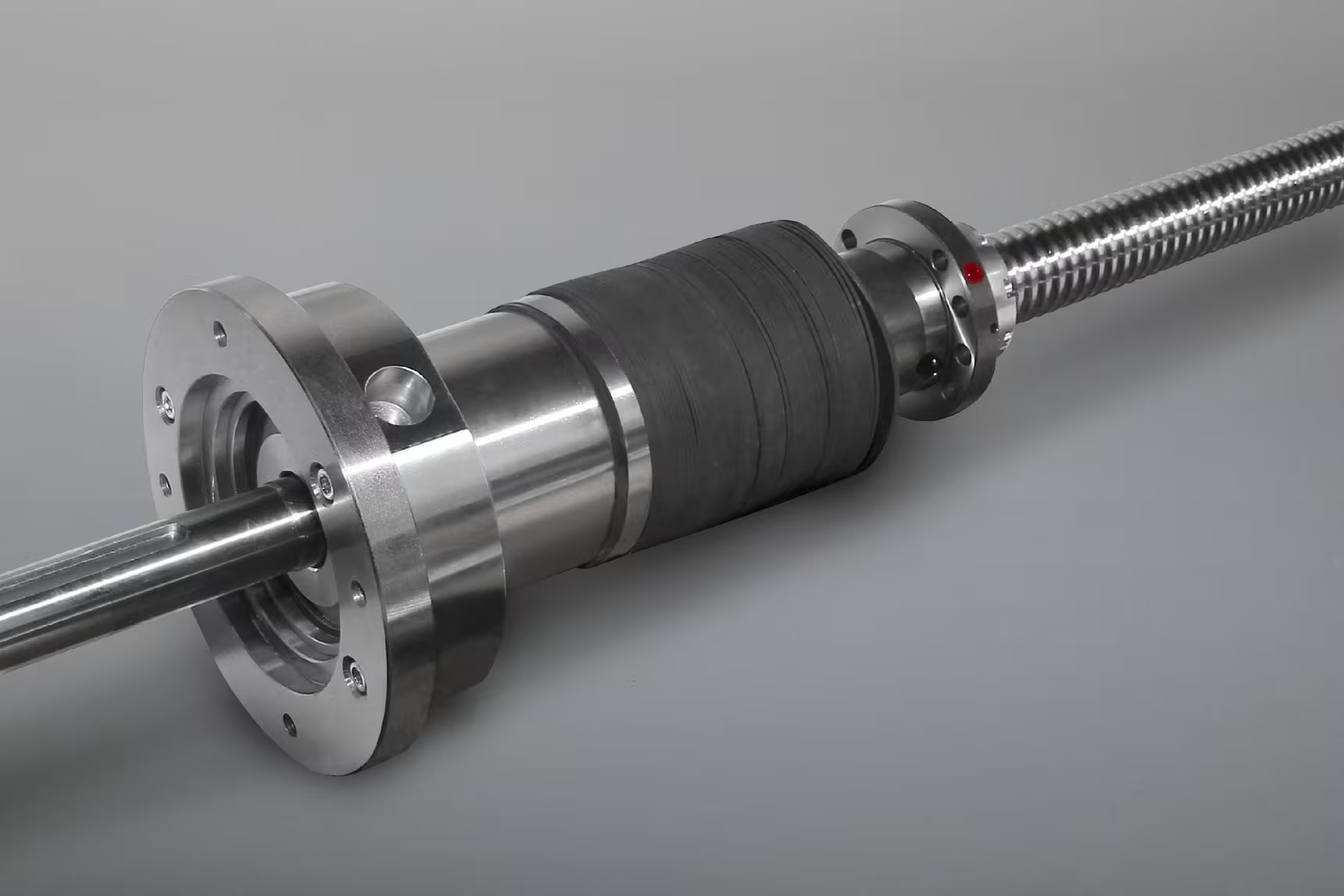
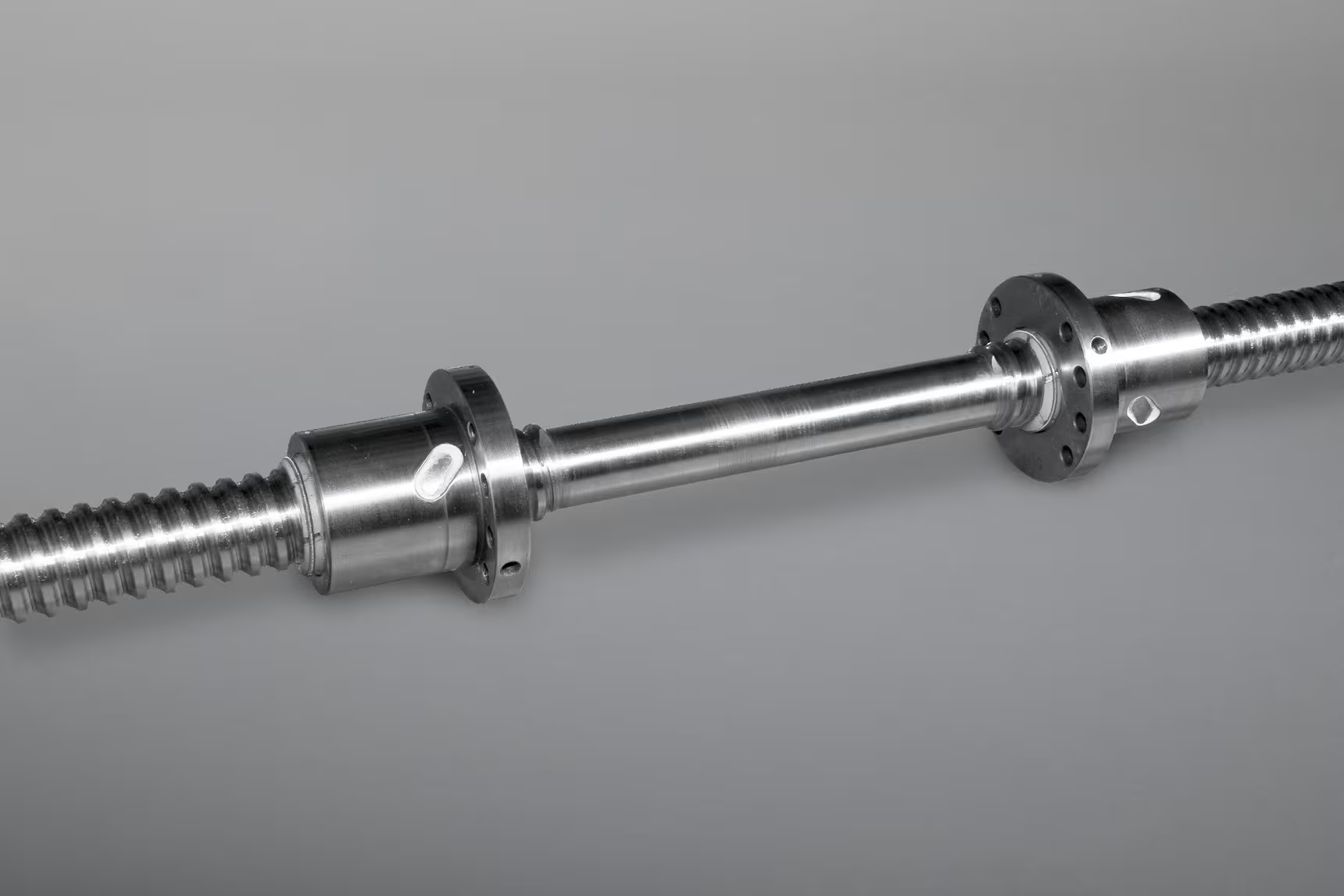
Ball screws: custom-made solutions
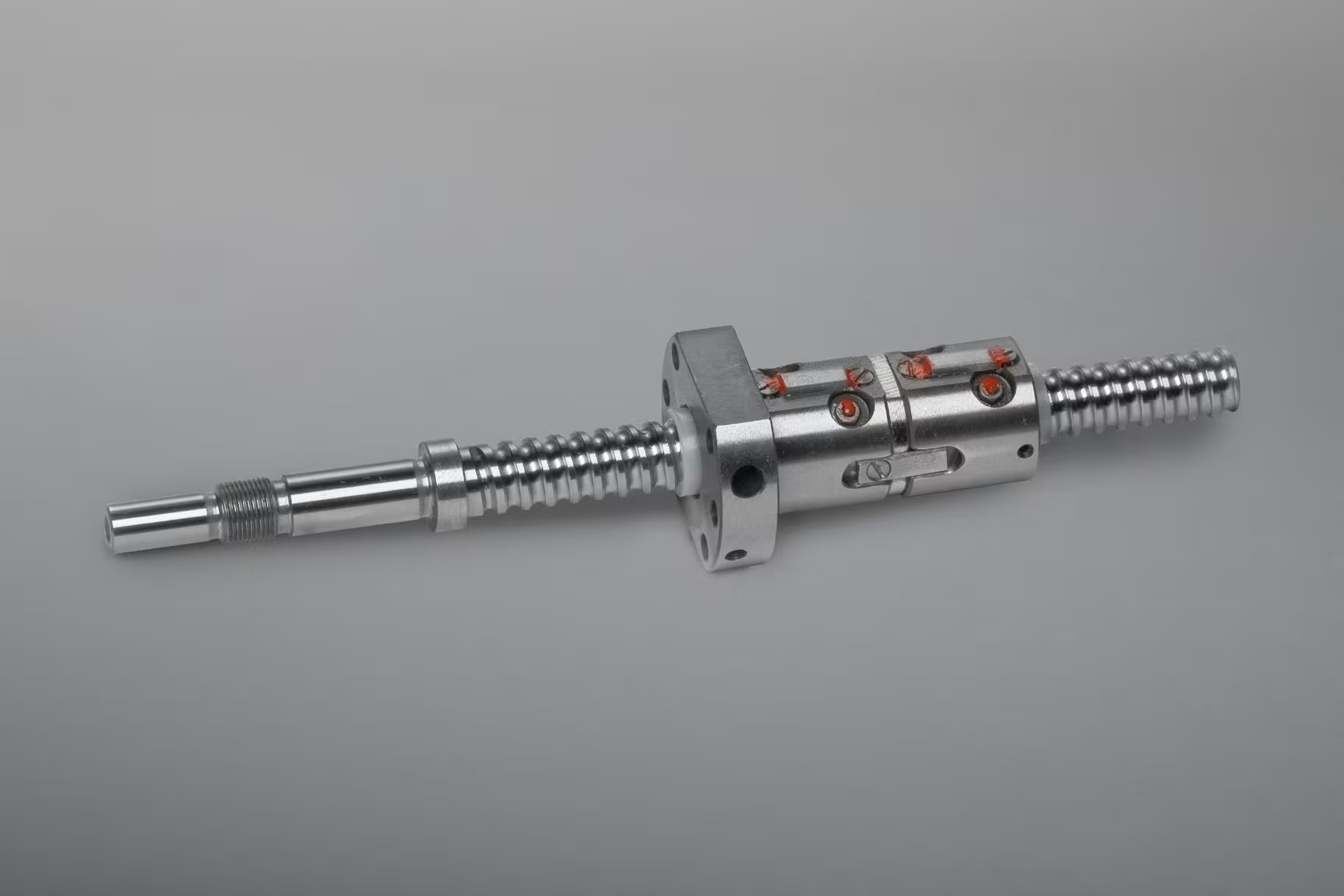
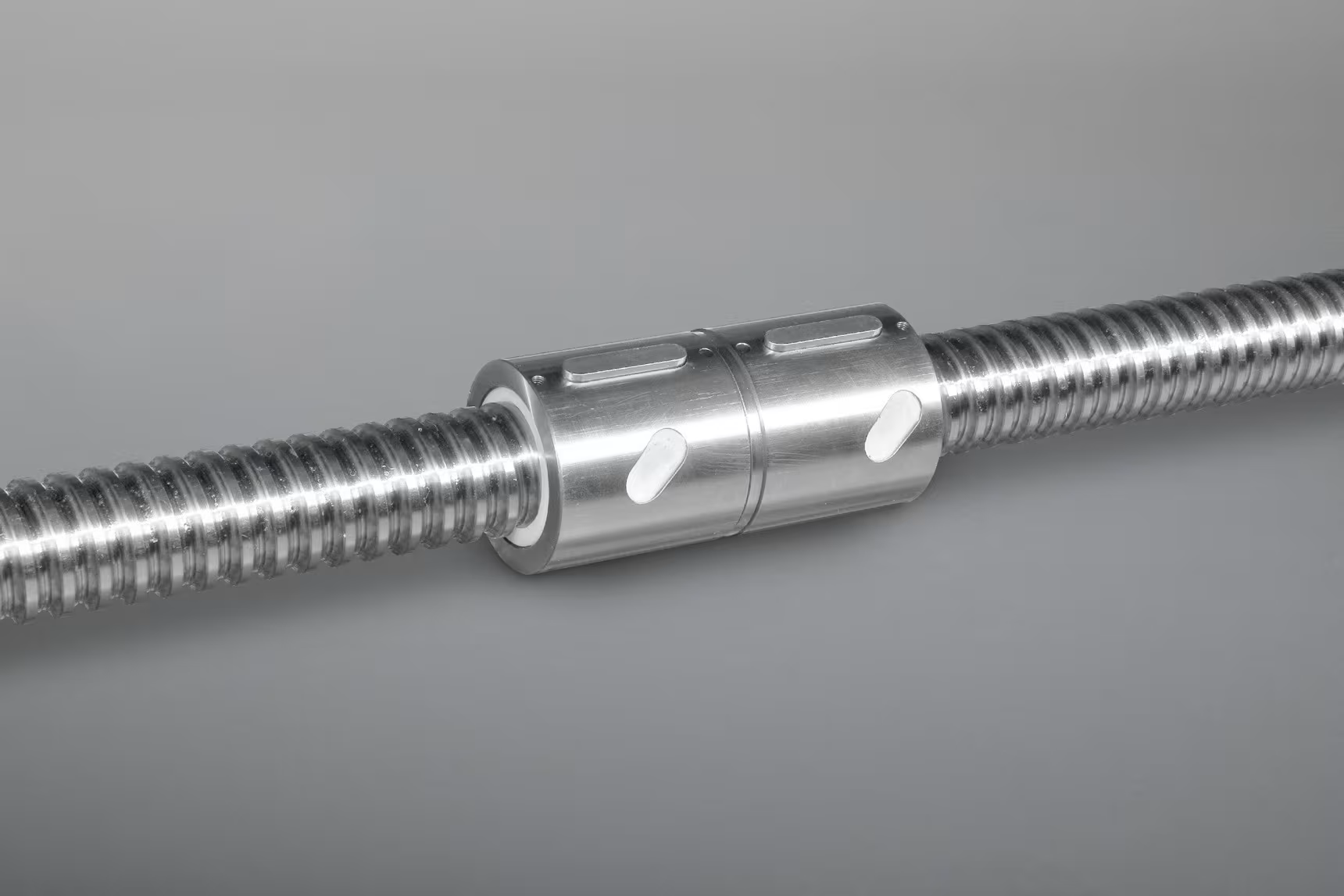
In the picture gallery you will find selected examples of custom-made solutions for ball screws. If you also have special requirements for ball screws, please feel free to talk to us.
Good to know: the ball screw
What are ball screws made up of?
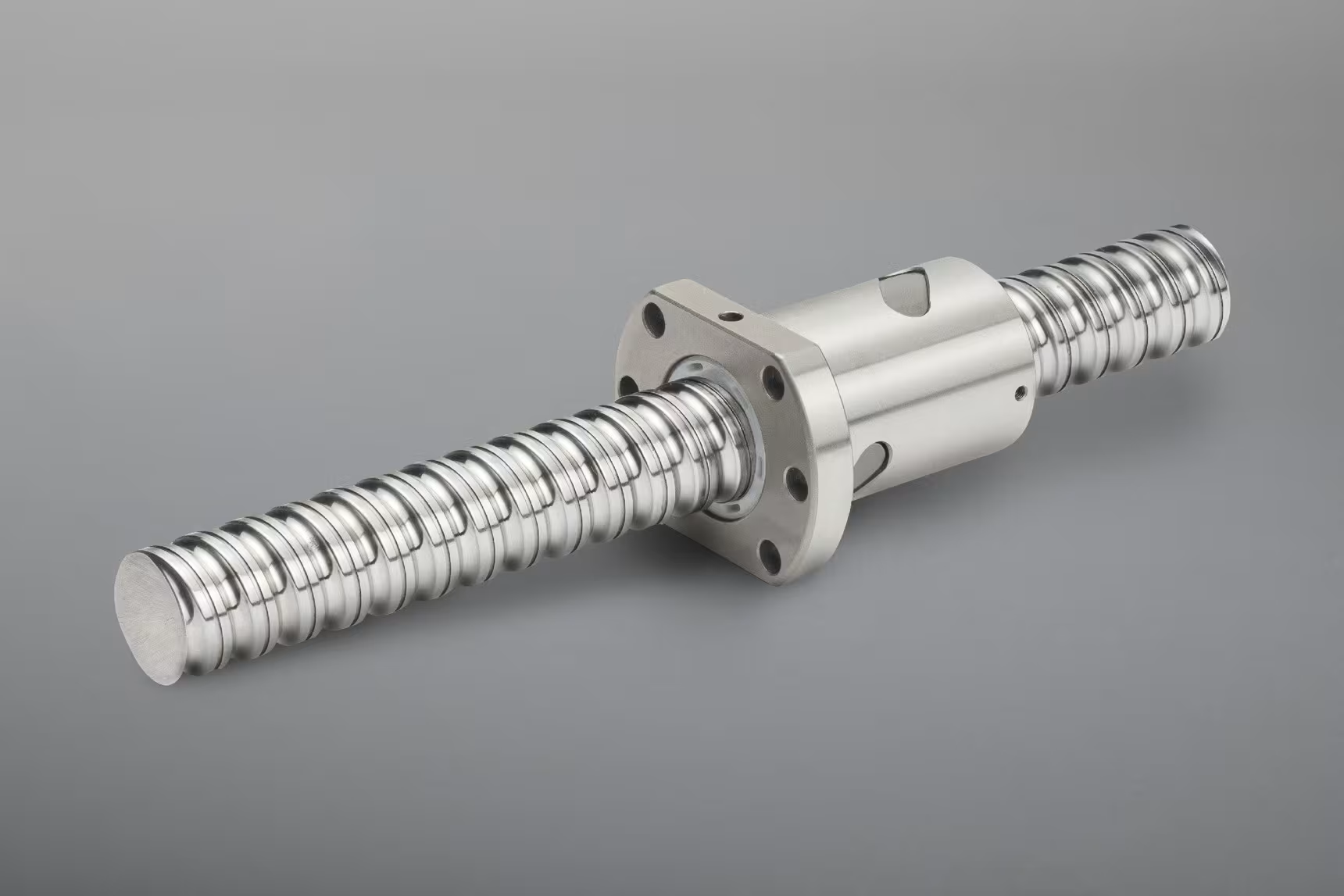
Ball screws consist of a ball screw shaft, a ball screw nut in which the balls are integrated, and the ball return. Ball screws are used as drive and feed elements and are among the most widely used threaded spindles in industrial and precision machinery. They serve to convert a rotary movement into a linear movement, or vice versa
Which accuracy class do our ball screws have?
Our ball screws are manufactured in accuracy classes IT1 to T7 in accordance with ISO and DIN standards and, thanks to the use of high-grade materials, the deployment of modern production facilities and the assurance of consistently high quality standards, they meet even the most demanding requirements.
What distinguishes ball screws?
Ball screws are characterised by high rigidity and a long service life. In addition, the design of the screw drives ensures that a high efficiency is achieved together with high accuracy. Equally characteristic is the low-friction, precise running of ball screws, which require only a low drive torque and offer very smooth running.
How is the right ball screw determined?
1. Nominal diameter of the thread
The nominal thread diameter determines the buckling stiffness of the ball screw shaft, depending on its length and support. The nominal diameter of the shaft d0 is used – depending on the ball circulation speed of the ball return system and lubrication system used – to derive the maximum speed nmax. The product of nominal diameter and speed forms a characteristic value that
limits the use and function of the ball screw
2. Thread lead
The size of the thread lead (P) determines the dynamic properties of the recirculation system, and the accuracy class in turn determines the resulting positioning accuracy. Depending on the nominal diameters and return systems, leads from 2 mm to 100 mm are available in the product range. The lead size determines the maximum diameter of the balls used and is therefore directly related to the total number of balls in the recirculation system or in the load-bearing circuits of the nut. To ensure that the recirculation system functions properly, no more than approx. 100 balls should be used per load-bearing circuit, which in turn determines the minimum lead required for a
given nominal shaft diameter.
3. Accuracy classes
Ball screws are offered in several accuracy classes.
The lead deviations comply with the standards ISO 3408 and DIN 69051. The mean travel deviations of whirled and rolled ball screws in accuracy classes T5 and T7 comply with the standard ISO 3408-3 for transport ball screws.
4. Load capacity, nominal service life, rigidity
A further technical parameter when selecting a ball screw is its load capacity. As with ball bearings, this is characterised by the static load rating C0 (corresponding to the load that causes a permanent deformation of the ball track or ball surface of 0.0001 x ball diameter Dw) and the dynamic load rating Ca (corresponding to the load that the ball screw must transmit while achieving the nominal service life L10 = 1×10⁶ revolutions).
Another important property of ball screws is the rigidity R, which is defined as the ratio of the external axial load Fa to the axial displacement of the nut on the shaft of the ball screw.
For further information on determining the ball screw that suits you, including calculation formulas, please see our download area.